

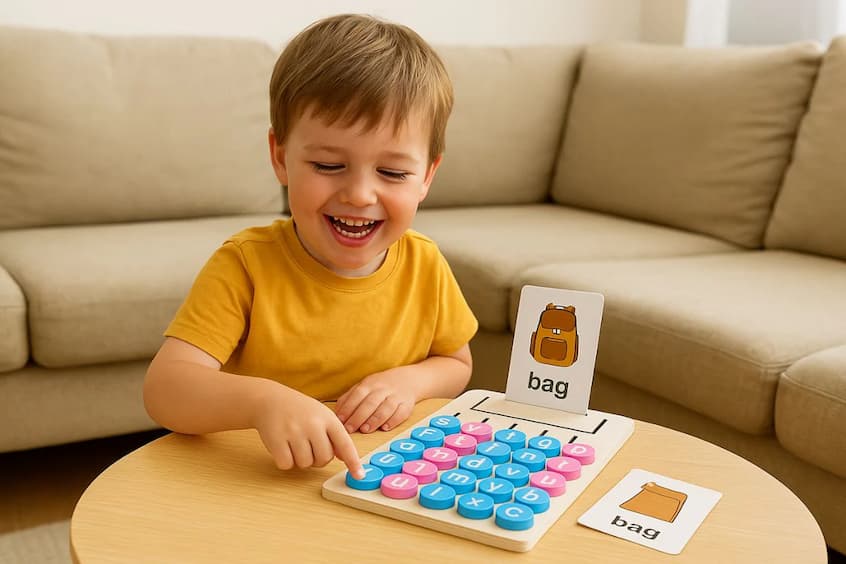
Why Phonics-Based Toys Make Learning to Read More Fun
Getting kids interested in reading early can seem challenging, but the right tools can make a big difference. Instead of relying only on books and worksheets, many parents and educators are turning to more interactive options. That’s where phonics-based games come in. These playful learning tools turn early reading into something kids actually look forward to. They combine sound recognition, word building, and hands-on fun in a way that feels natural, helping children build essential literacy skills without pressure.
How to Choose a Game
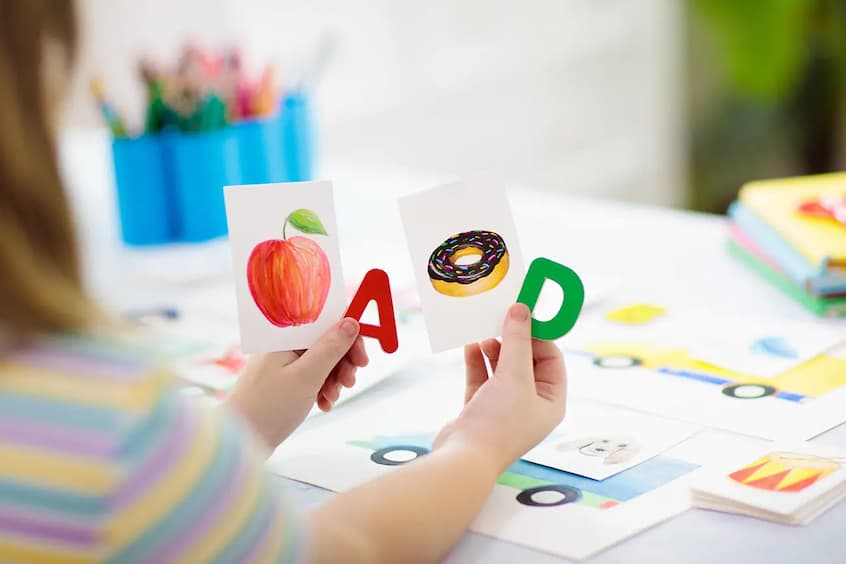
With such a wide variety of games available, it can sometimes be tricky to decide which one will best suit your child. Knowing which few key features to focus on will make the process easier.
The main goal is to choose toys that clearly connect letters and sounds. Go for simple designs because they’re the most effective in general. Simplicity is great for younger children because it lets them focus on learning instead of getting distracted by complicated rules.
Choose interactive and educational phonics games that encourage active participation. Make sure the child is involved in the process instead of just watching and listening. Buying a game with a mix of visual, auditory and hands-on elements can make a big difference. It’s a great choice because it supports multiple learning styles while keeping the child engaged.
Reasons Phonics-Based Games are Good
Learning Through Play Feels Natural
Kids learn best when they’re engaged, not when they’re sitting still trying to memorise information. That’s why, in the early years, play-based learning is the best. When the game is built around sound and letters, the child can learn language in a more relaxed way. They won’t be forced to repeat a certain exercise again and again. Instead, they interact with cards, boards and pieces that make learning fun.
When play is fun, the child will feel more focused and easily absorb the information they’re learning. Over time, their knowledge grows. After a while, they’ll be able to recognise patterns, remember sounds and build confidence without even realising they’re learning.
Strengthening Early Reading Skills
Understanding how letters connect to sounds is one of the first steps in learning to read. When the child makes that connection, everything becomes easier. One of the best ways to do this is with phonics-based games. They provide a clear and simple way of matching letters to sounds, blending sounds into words and identifying rhyming patterns.
Developing all of these skills is essential for their reading development. Because children will repeat these actions through play, they’ll become more comfortable in decoding words. Reading won’t feel like a task. Instead, it’ll become something they enjoy and can manage on their own.
Building Confidence
We’ve all experienced frustration while learning at some point in our lives. This is especially true when learning doesn’t come quickly, and reading is no exception. These games create a space where children can try, fail, make mistakes and try again. They won’t feel discouraged.
Through play, there’s no pressure to get everything right on the first try. In this case, progress and learning happen through repetition and encouragement. Even the smallest wins, like recognising a letter or a sound, can be encouraging. This sense of achievement motivates kids and keeps them engaged in the phonics games.
Supporting Different Learning Styles
Not every child learns in the same way, and that’s completely normal. Some respond better to sounds, while others learn more effectively through visual cues or by physically interacting with objects. These toys combine multiple elements, making them suitable for different learning styles.
A single game might involve listening, matching, moving pieces, and speaking out loud. It’s this variety that keeps things interesting and reinforces learning from different angles. It’ll be easier for the children to find the best learning approach that works for them.
Making Repetition Less Boring
Repetition plays a key role in learning. However, it can become dull and frustrating very fast when children are involved, especially if it’s not presented in an engaging way. Games solve that problem by turning repeated practice into something enjoyable. When they’re fun, kids don’t mind going over and over the same letters and sounds.
Actually, when the fun factor is included, they’re more likely to keep playing and learning. The repetitive exposure to interactive phonics games becomes familiar, and after a while, recognising sounds and words becomes second nature.
Expanding Vocabulary
Yes, the main focus of these games is sounds and letters, but they also introduce kids to new words. The different combinations of letters and sounds add to their vocabulary. They start to recognise how words are formed and how they fit together. This doesn’t just support reading but also encourages and improves their overall language skills. Of course, a broader vocabulary helps with communication and their writing skills later on.
Encouraging Social Interaction
Kids don’t have to learn alone. Plenty of these interactive phonics games are made for group play. This encourages them to listen, take turns, and communicate. Sharing this experience with friends and family makes the process more enjoyable and, oftentimes, more effective. Group play also brings extra motivation and makes the learning process even more fun.
In Summary
Helping kids learn to read doesn’t have to feel like hard work. With the right approach, it can be something they genuinely enjoy. Phonics-based games offer a simple way to support early literacy while keeping things fun and interactive. They build confidence, encourage practice, and turn small learning moments into lasting skills. For parents and educators looking to make reading more engaging, they’re a practical and worthwhile addition to any learning routine.
