

Prevent Exhaust Flex: Use Quality Rubber Hangers and Bushings
Whether it’s in the style of gaskets between the various tube sections, or the types of fasteners holding them together, exhaust system designers understand small parts make big differences. After all, they’re the parts that prevent exotic tubes and costly cats from beating themselves into so many kilos of scrap metal.
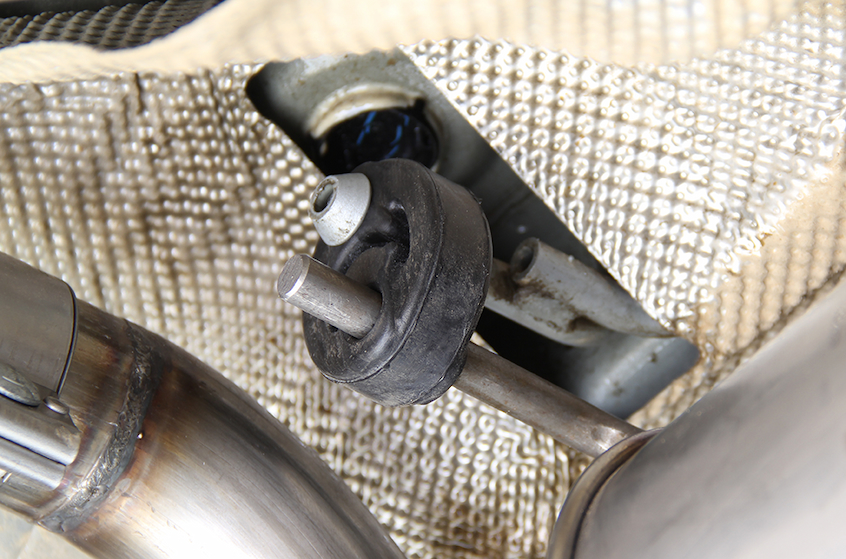
Possibly the most understated of small parts, however, are the rubber brackets and hangers used to secure exhaust systems to the chassis. These heavy duty rubber and combination rubber and steel support hangers are responsible for preventing the exhaust system from sagging, or worse, dragging the ground. They’re also critical parts of every vehicle’s total performance package – and the difference they make can affect engine performance in ways that are impossible to predict.
High Quality Hangers and Bushings That Prevent Exhaust Flex
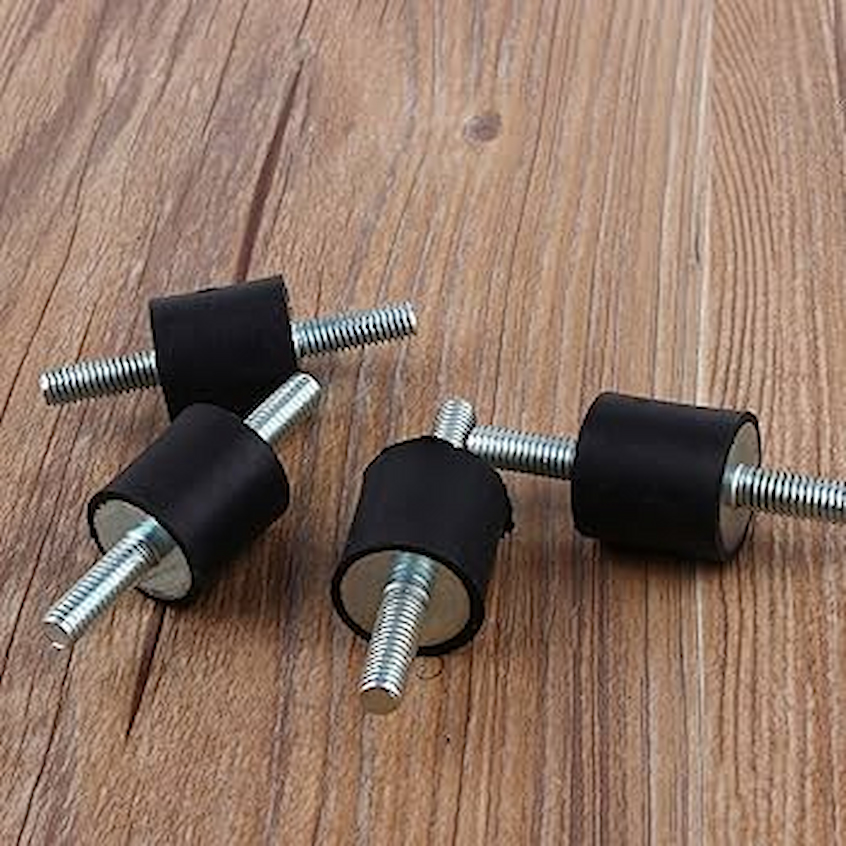
From the OE replacement rubber brackets that are standard kit with every new exhaust setup, to the rigid custom hangers and bushings installed on special use and heavy duty vehicles, high quality exhaust rubber hangers and mounts are every bit as integral to engine performance as they are to safety.
That’s because regardless of the type of vehicle, they’re the key to preventing exhaust noise, vibrations and potentially toxic fumes impacting ride quality, while simultaneously putting an end to unwanted system flexing that can cause power- and economy-sapping airflow interruptions.
The exhaust brackets and bushings typically come in three styles: vehicle specific, universal, and full custom. And while there’s a significant degree of operational overlap between them, the differences in functionality and design are very precise:
- Vehicle specific hangers and brackets. Model-specific, OE replacement hangers are precise matches for a vehicle’s factory hangers, use factory chassis and exhaust mounting points, and are frequently supplied with replacement exhaust kits.
- Universal fitting hangers and brackets. Unlike direct-fitting, vehicle specific hangers, universal hangers are suitable for both factory and semi-custom exhaust systems that may or may not be using OE chassis and exhaust mounts.
- Custom racing hangers and brackets. Racing hangers, including rods and brackets, are hardened, fully customised support pieces that are uniquely designed for maximum exhaust system stability under heavy vibration and chassis flexing.
It’s important for anyone who’s replacing or upgrading their vehicle’s exhaust system to remember that when it comes to exhaust hangers, attributes like engine output, and exhaust system size and weight aren’t isolated qualities. Even modest increases in power, or switching to a pair of adjustable (heavier) mufflers can impact how the system is suspended, how much it’s likely to flex, and how well it remains sealed. That’s why in addition to knowing which type of exhaust bracket would be best with their application, vehicle owners modifying their exhausts also need to known which bracket material would be best for the job.
Versatile Hanger Materials For Optimised Exhaust Performance
Make no mistake: although exhaust rubbers and bushings aren’t made from the same specialised heat and compression resistant composites that exhaust gaskets are, their durability and reliability are also due to the advanced materials they’re manufactured from. Mechanical stresses from engine motion and chassis twisting, and thermal stresses from tube expansion can subject OE exhaust bushings to hundreds of kilos of pressure they were never designed to withstand. This is where materials make the big difference.
While competition- and race-only vehicles ordinarily utilise billet and solid-alloy exhaust brackets, standard and mildly customised passenger vehicles and utes rely on a range of tough, versatile polymer composites that are engineered especially for extreme pressures and temperatures, to include:
- Balanced nitrile rubber. Nitrile rubber hangers and bushings are stronger than their OE counterparts, and are known for their affordable balance of stability, along with long-lasting heat and chemical resistance.
- Rigid polyurethane. Polyurethane hangers are stiffer and more durable than nitrile hangers, and are the first choice for vehicles with aftermarket exhaust systems that could experience ground clearance issues.
- Superior-strength silicone. Silicone hangers share many of the no-sag, heat resistant qualities of polyurethane hangers, but feature improved vibration damping properties that make them ideal for smoother, quieter rides.
- Reinforced composites. Reinforced composite hangers are typically made of silicone that has been strengthened with directional polyester cording, offering a perfect combination of stiffness and flexibility.
And while having the proper hanger/bracket solution is crucial for preventing exhaust systems from dragging, it’s impossible to overlook the part they play in ensuring the same systems don’t leak. That’s because a leaking system is a lot more than a noise and emissions nuisance. It has a direct impact on engine performance, making investing in the right hangers and bushings a choice with genuine operating consequences.
The Downside
While the size, type and shear strength of exhaust hangers may not be a topic that commonly comes up during an exhaust upgrade, the fact is hangers are as responsible for the system’s overall performance as tube diameters and flange welds. A leaky, unstable exhaust system can’t deliver the consistent airflow or positive vacuum an engine needs to efficiently rid itself of spent gases, resulting in an array of undesirable conditions that include:
- Inadequate exhaust gas scavenging. As exhaust system leaks can alter how spent exhaust gases behave from one compression cycle to the next, exhaust hangers provide the stability needed to maintain sufficient vacuum for proper scavenging.
- Insufficient exhaust gas velocity. Exhaust velocity is an essential component of exhaust scavenging, and a flexing system can’t deliver the velocity for efficient scavenging. High quality hangers and bushings eliminate exhaust flexing though, allowing spent gases to reach their maximum velocity.
- Unwanted exhaust backpressure. The non-stop vibration of an unstable system, combined with the inconsistent gas movement due to poor scavenging, are a perfect storm for engine-choking backpressure. Sturdy exhaust hangers are the answer for unwanted system backpressure.
With their ability to ensure flex-free, leakproof joints between the various tube flanges, hangers and brackets are irreplaceable for positive airflow throughout the entire length of the exhaust system. That also makes them as essential for fuel economy as they are for engine performance and vehicle safety.
The Final Word
At the end of the day, it doesn’t matter if a vehicle is outfitted with a mildly modified street system or a boom tube-style full competition setup, it needs the stable support that can prevent it from sagging or dragging. Fortunately, the solution is as simple as it is affordable. And in most cases, it doesn’t require any cutting or welding of the exhaust, or chassis modifications.
