

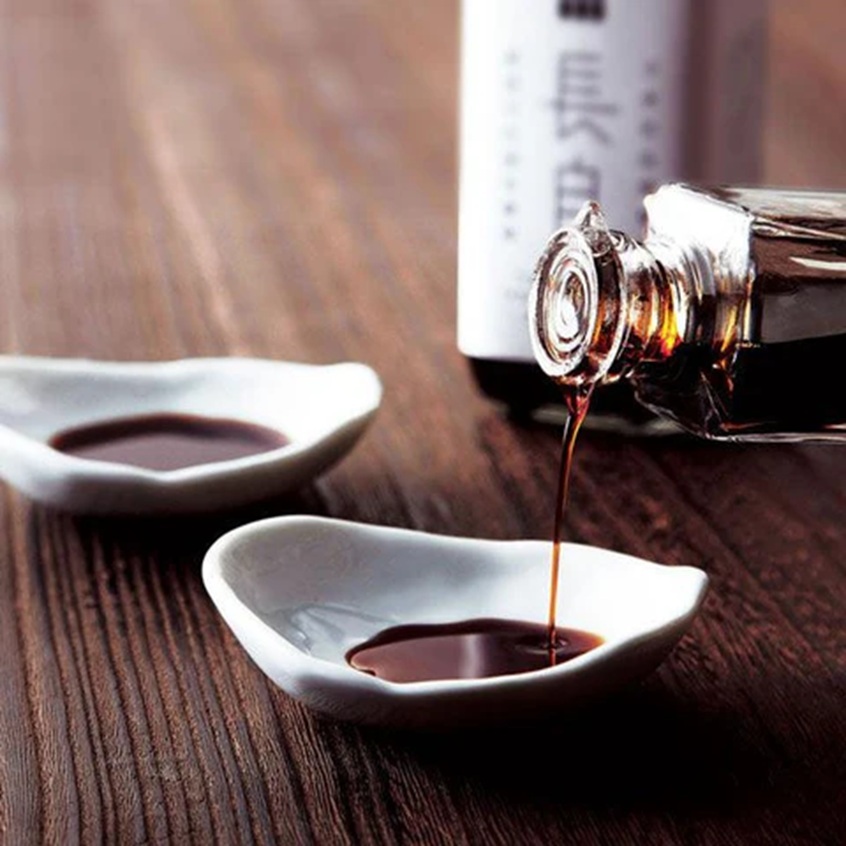
Culinary Alchemy: Unlocking the Versatility of Shoyu
Certain ingredients quietly transform a dish without demanding attention for themselves. Shoyu is one of them. Rich, savoury, salty, and deeply aromatic, this traditional Japanese soy sauce acts like an “umami bomb,” bridging flavour gaps in ways few ingredients can. It can deepen the richness of a broth, sharpen the sweetness of roasted vegetables, balance acidity in dressings, and create layers of complexity that make people wonder why a dish tastes so good without being able to identify the reason.
The true art of using premium shoyu sauce lies in understanding heat, timing, concentration, and pairing. Once conquered, it becomes one of the hardest-working ingredients in your pantry and one of the easiest ways to add sophistication to everyday cooking.
The Liquid Foundation: Soups, Stocks, and Braises
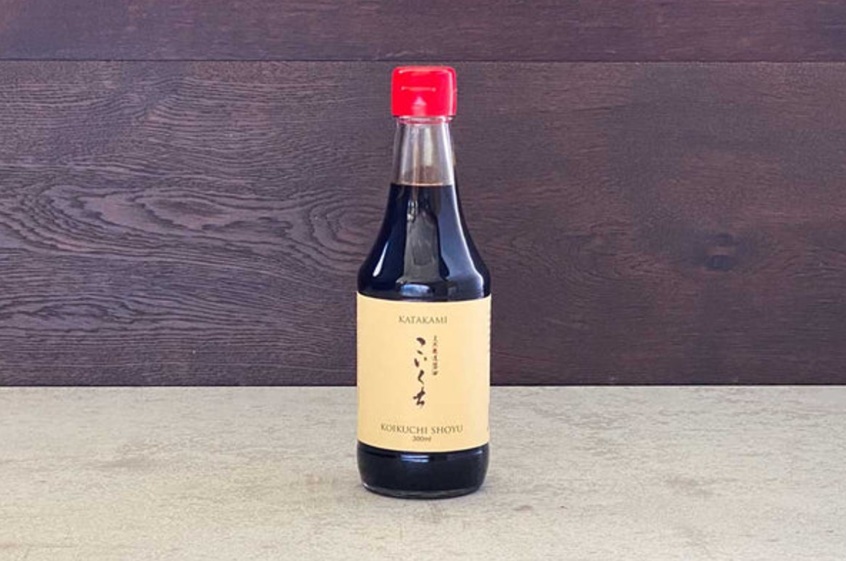
Some of the most powerful uses of shoyu happen quietly in the background. Soups, broths, braises, and slow-cooked dishes all benefit from its ability to amplify savoury flavours without overpowering them.
One of the most classic examples is the partnership between shoyu and dashi. Dashi, the foundational Japanese stock traditionally made from kombu and bonito flakes, carries a clean, subtle umami character. Shoyu deepens that base, adding salinity, colour, and aromatic complexity while preserving the delicate balance that makes dashi so elegant.
Together, they form the backbone of countless Japanese soups, noodle broths, and simmered dishes. The relationship works because both ingredients are built on naturally occurring glutamates, compounds responsible for the savoury sensation known as umami.
But the applications go far beyond Japanese cuisine. A splash of shoyu sauce added to beef stew can intensify roasted meat flavours. Mushroom soups gain remarkable earthiness from even a teaspoon stirred in near the end of cooking. Tomato-based sauces become fuller and more rounded when paired with fermented soy depth.
In braising, shoyu works particularly well because it enhances both aroma and mouthfeel. When combined with ingredients like garlic, ginger, onions, stock, and aromatics, it helps create a deeply layered cooking liquid that penetrates proteins during long, slow cooking. However, timing matters.
One common mistake is adding too much shoyu too early during long simmers. Extended heat exposure can dull some of its more delicate aromatic compounds and flatten its nuanced flavours. Professional kitchens often reserve a final addition near the end of cooking to restore brightness and preserve those fragrant fermented notes. Think of it as seasoning in layers rather than all at once.
The Art of the Glaze and Grill
If soups reveal shoyu’s subtlety, grilling reveals its dramatic side.
The combination of amino acids and sugars within soy-based marinades creates ideal conditions for caramelisation. Under heat, these compounds trigger complex browning reactions that generate rich aromas, glossy textures, and irresistible savoury-sweet flavours. This is why shoyu plays such a central role in teriyaki.
At its core, teriyaki is beautifully simple: soy sauce, sweetness, and heat working together. Traditional versions combine shoyu with ingredients like mirin, sake, and sugar to create a balanced glaze that clings to proteins and develops shine as it cooks.
As the glaze reduces over flame or high heat, it thickens into a lacquered coating packed with sweet, salty, and smoky depth.
Chicken, salmon, tofu, and beef all respond beautifully to this process, but vegetables may be the most underrated canvas for shoyu grilling techniques.
Brushed lightly onto mushrooms, eggplant, zucchini, or corn before grilling, shoyu enhances natural sugars and encourages deeper browning. Vegetables become smokier, sweeter, and far more savoury without needing complicated marinades. This is one of the simplest professional cooking hacks: using a small amount of fermented seasoning to dramatically increase flavour complexity.
The key is restraint. Too much soy can dominate and burn quickly due to its salt and sugar content. Thin layers applied gradually produce the best results.
Emulsions and Cold Applications
While heat unlocks one side of Shoyu’s personality, cold applications reveal another entirely. In uncooked preparations, shoyu offers brightness, salinity, and fermented complexity without heaviness. This makes it incredibly valuable in emulsions like salad dressings, vinaigrettes, and dipping sauces.
Modern chefs often replace part of the salt in dressings with soy sauce because it contributes more than salinity alone. It introduces depth, balance, and umami while helping acidic ingredients feel smoother and more integrated. A simple vinaigrette of olive oil, rice vinegar, Dijon mustard, and soy sauce can instantly elevate leafy greens, roasted vegetables, grain bowls, or noodle salads.
Shoyu also pairs exceptionally well with creamy fats. One of the most overlooked culinary tricks is incorporating soy sauce into compound butters. Mixed with softened butter alongside herbs, garlic, citrus zest, or chilli flakes, it creates a deeply savoury spread perfect for grilled steak, seafood, baked potatoes, or roasted vegetables.
Because fermented soy contains naturally developed complexity, even small amounts create the impression of longer, more layered cooking. Cold noodle dishes also benefit tremendously from shoyu-based sauces. Combined with sesame oil, citrus, ginger, or chilli crisp, it forms a balanced dressing that feels simultaneously rich and refreshing. These applications demonstrate why shoyu has become increasingly common in Western kitchens. It adapts effortlessly across cuisines because umami itself is universal.
Professional Technique: When to Add
Understanding when to add soy sauce can completely change the outcome of a dish. Professional chefs think carefully about heat exposure because flavour compounds behave differently under different cooking conditions.
Early Addition
Adding shoyu early during cooking allows it to integrate deeply into sauces, braises, and marinades. This creates a fuller body and a more savoury flavour throughout the dish.
This technique works well for:
- Braised meats
- Long-simmered sauces
- Marinades
- Stocks
- Late Addition
Adding shoyu near the end preserves more volatile aromatic compounds and keeps flavours brighter and more distinct.
This method is ideal for:
- Soups
- Pan sauces
- Vegetable dishes
- Finishing glazes
- Raw Finishing
Sometimes the best approach is to use shoyu completely uncooked. A few drops added just before serving can sharpen flavours and add contrast, much like finishing salt or citrus juice. This final touch often creates the most noticeable impact.
