

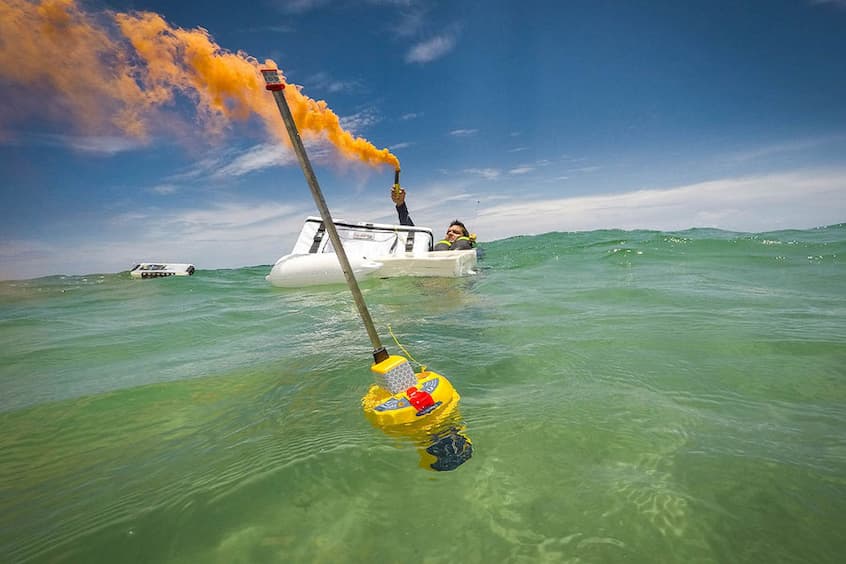
Smarter Waters, Safer Journeys: Your Personal Guide to Choosing an EPIRB
Spending time on the water comes with a level of unpredictability that cannot always be controlled through experience or planning alone. Mechanical failures, sudden weather changes, collisions, medical emergencies, and navigational errors can all create situations where immediate assistance is needed.
In those moments, emergency position-indicating radio beacons play a critical role by transmitting a distress signal that can help search and rescue authorities locate a vessel more quickly.
Unlike communication devices that rely on mobile coverage, these beacons are designed specifically for emergency use and can operate in remote offshore environments. Modern units communicate through international satellite networks and, in many cases, include positioning technology that can significantly improve location accuracy.
For boat owners venturing beyond sheltered waters, carrying an emergency beacon has become a widely recognised part of responsible safety preparation.
Beyond the Checklist
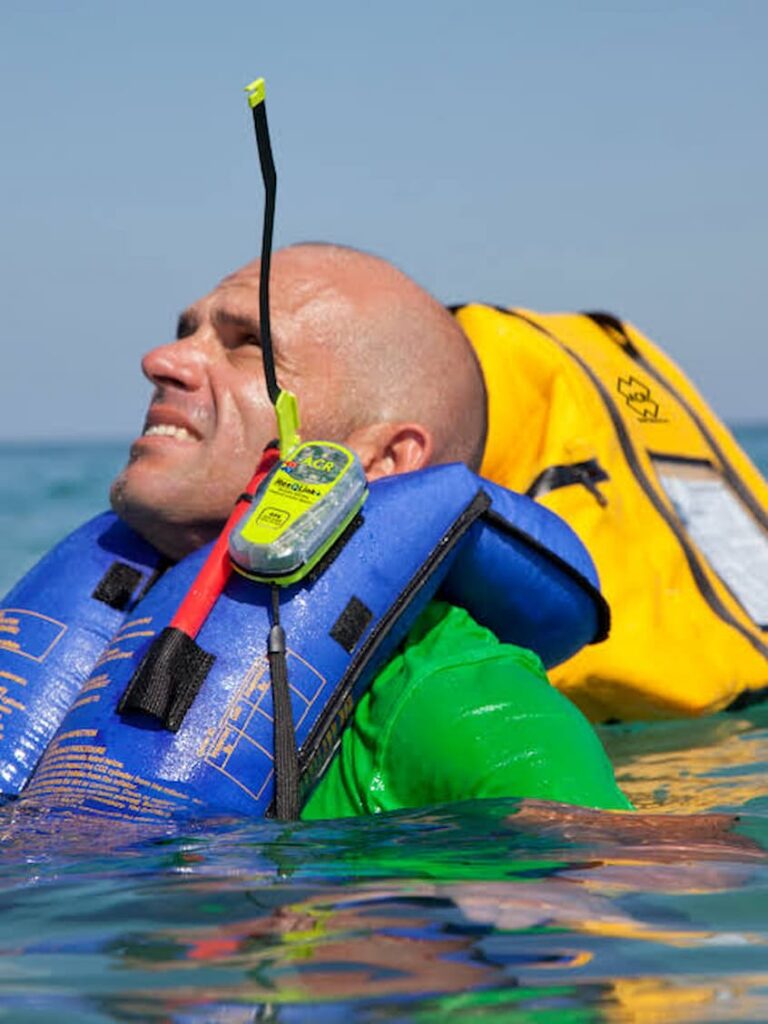
An EPIRB purchase involves more than simply selecting the first available beacon. Different vessels, boating habits, and operating environments can influence which features are most suitable. Someone regularly travelling offshore for extended periods may have different requirements from a recreational boater who remains closer to the coastline.
Many buyers focus first on emergency transmission capability, but factors such as activation method, mounting options, visibility aids, and location accuracy can also affect overall performance during a rescue event. Understanding how and where the beacon will be used often leads to a more practical decision than comparing specifications alone.
Looking beyond initial pricing often leads to a more informed EPIRB purchase, particularly for boaters who regularly travel further offshore or spend extended periods on the water.
Emergency beacons are designed for long-term readiness, with batteries typically intended to remain operational for several years before replacement is required. This allows owners to store safety equipment onboard with confidence while maintaining compliance with recommended service intervals.
Reading the Conditions Ahead
One of the most important distinctions between available options is the activation method. Some models are designed for manual activation, while others can activate automatically under specific emergency circumstances. The choice often depends on vessel type, storage location, and personal preference.
While all approved emergency beacons perform the essential task of transmitting a distress signal, units equipped with integrated positioning technology can provide rescuers with more precise location information. In an emergency, reducing the search area can make a substantial difference to response efficiency.
Many modern beacons incorporate high-visibility colours and built-in strobe lights to assist rescuers during low-light conditions or rough weather. These additions may seem secondary when purchasing equipment, yet they can become highly valuable once a rescue operation begins.
Modern EPIRBs transmit a distress signal on the internationally recognised 406 MHz frequency monitored by the global Cospas-Sarsat satellite system. When activated, the beacon sends a unique identification code and, if equipped with GPS, location information.
The signal is detected by satellites and forwarded to rescue coordination authorities, who can identify the registered vessel and initiate an appropriate response. Many units also transmit a secondary homing signal that helps rescuers pinpoint the beacon’s location during the final stages of a search operation.
Picking for the Long Haul
Questions about beacon lifespan, registration requirements, and reliability are among the most common topics researched by prospective buyers. While emergency beacons are built for durability, ongoing ownership involves more than simply storing the unit and forgetting about it.
Registration is especially important because it links the beacon’s unique identification information with vessel and owner details. Accurate registration can assist authorities in responding more effectively when a distress signal is received. Updating registration details after a change of ownership or contact information is equally important.
Marine environments expose equipment to salt, moisture, vibration, temperature fluctuations, and prolonged UV exposure. Quality emergency beacons are designed to withstand these challenges while remaining ready for use over long periods. For many owners, an EPIRB represents a long-term safety investment rather than a frequently replaced piece of equipment.
Built for Tempestuous Waters
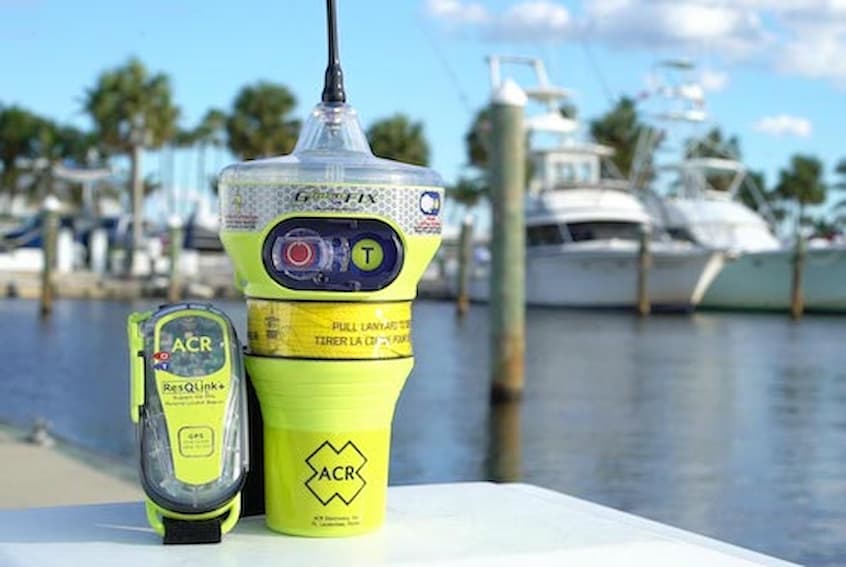
Australian boating conditions vary enormously, from protected inland waterways to exposed offshore passages. Distances can become significant very quickly, particularly along remote stretches of coastline where assistance may not be immediately available.
This reality helps explain why emergency beacons remain a central component of marine safety planning. Offshore anglers, cruising sailors, coastal adventurers, and long-distance boaters often operate in environments where communication options can be limited. An emergency beacon provides an additional layer of protection designed specifically for situations in which conventional communication methods may fail.
Weather conditions also influence emergency preparedness. Sudden wind changes, heavy seas, reduced visibility, and unexpected equipment failures can escalate quickly. Having a beacon that remains accessible and ready to activate under difficult conditions is often as important as the technology itself.
Getting the Choice Right
Deciding to buy an EPIRB, whether an EPIRB beacon or any other type of device, often comes down to matching features with real-world use rather than purchasing based solely on specifications.
- Consider how far offshore you typically travel and prioritise location accuracy accordingly.
- Verify registration requirements and maintain up-to-date owner and vessel information.
- Review battery replacement schedules and recommended maintenance intervals before purchasing.
- Store the beacon where it remains accessible during an emergency rather than in a difficult-to-reach compartment.
- Familiarise yourself with testing procedures and perform routine checks according to manufacturer recommendations.
Safety Beyond the Coastline
Choosing emergency safety equipment is ultimately about preparing for situations nobody hopes to encounter. A well-considered boat EPIRB takes into account operating conditions, vessel type, emergency readiness, and long-term reliability rather than focusing on a single specification or price point.
By understanding activation methods, location capabilities, registration requirements, durability expectations, and maintenance responsibilities, boaters can make more informed decisions and head offshore with greater confidence in their overall safety preparations.
