

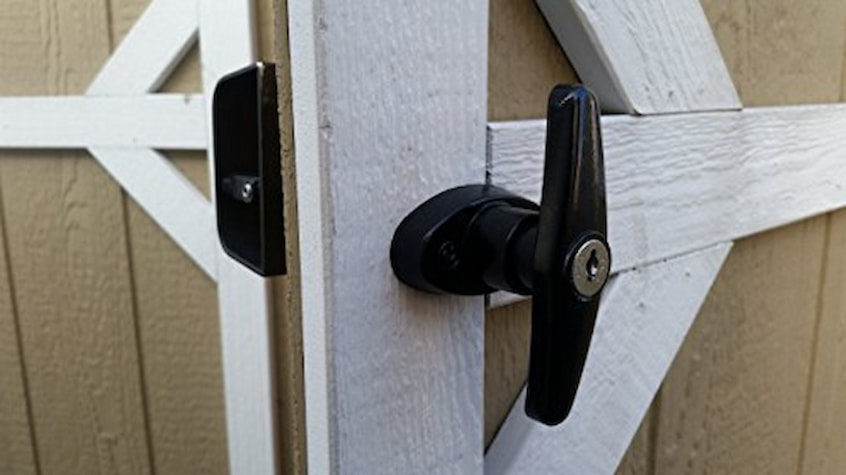
The Complete Guide to T-handle Locks
Conveniently integrated into garage doors, toolbox lids and metal enclosures, T-handle locks are versatile, easy-to-use and reliable locking mechanisms. They’re recognisable by the rotating T-shaped handle, fitted with an integrated locking cylinder, which allows one-handed opening and closing and provides reliable, long-term security in demanding environments.
Main Parts and How T-handle Locks Work
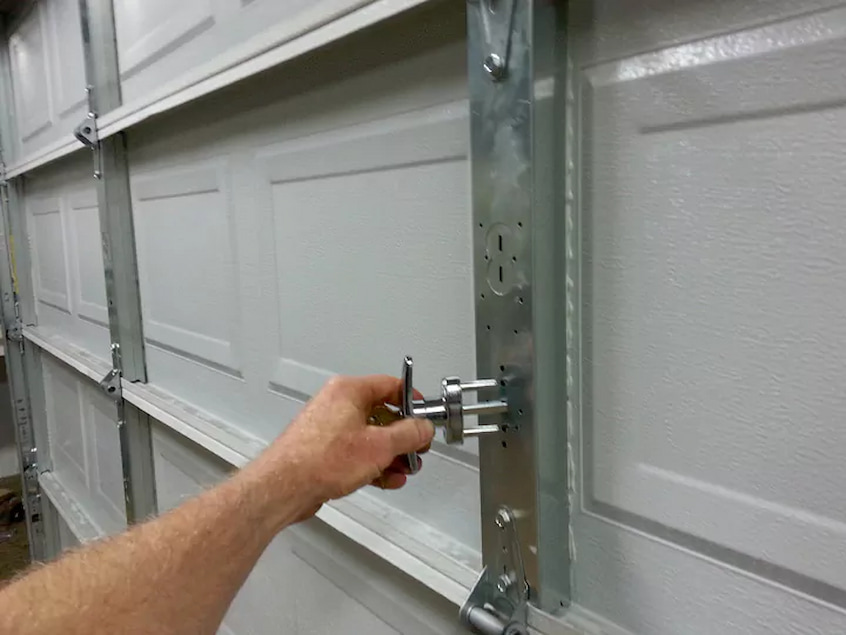
The straightforward design prioritises simplicity and reliability over complex electronic systems. At their core, T locks consist of handles, which, when rotated, engage internal shafts connected to cams or latches located in doors, lids or panels. This secures doors and lids in place or releases them during opening. The design provides practicality and convenience in challenging settings, such as industrial facilities and outdoor worksites.
The main feature of T-handle locks is the handle itself. Often made from strong stainless steel or high-strength zinc alloys, it provides a comfortable grip when twisting and the durability to resist rust and bending. Built into the handle is the cylinder and locking mechanism. In the locked position, the cylinder core engages the handle and prevents it from rotating. Inserting and turning the key disengages the locking pins, allowing the handle to rotate freely and releasing the internal shaft or cams so doors, lids, or panels can open.
Common Uses and Industries
- Transportation and vehicles: T-locks are common in ute canopies, toolboxes, motorhomes, trailers, and caravan compartments, keeping contents safe and secure.
- Industrial and electrical enclosures: Switchboards, control boxes, communications enclosures and industrial cabinets rely on T-handle locks for impact resistance, tamper protection, and weather resistance.
- Vending machines: Vending machines and arcade games were some of the first applications of T-handles, deterring theft and ensuring easy use for operators.
- Residential and general-purpose use: Garages, sheds, workshops, barns and pool enclosures are locked and secured with t-handle locks.
Key T handle Lock Types
T-handle locks differ by their mounting style, locking mechanism and security features: Common examples include:
- Flush or drop-T latches: These sit completely recessed with the door pan or pocket. The handle must be pulled outward or flipped up to turn the locking cam. Common applications include ute toolboxes, canopies, caravan and motorhome compartments.
- Surface mount: These have handles located on the door exterior, without a recessed pocket. They’re usually found on garage doors and sheds.
- Keyed/locking: Locking T handles required locking cylinders and keys to unlock. They’re standard features in utility and industrial cabinets.
- Push-to-lock: A push-to-lock T-handle automatically locks when pushed shut. They provide one-handed locking convenience in vending machines, trailers, horse floats and electrical enclosures.
- Non-locking: Used only for latching and unlatching, these T-handles prioritise quick access over locking security. Common uses are in machinery control panels and utility cabinets, with security provided by other mechanisms.
- Compression: Compression handles feature an extra latching mechanism that pulls the door tightly against the frame. They’re widespread in access panels and engine compartments, where they prevent dust and moisture ingress.
Why Materials Matter
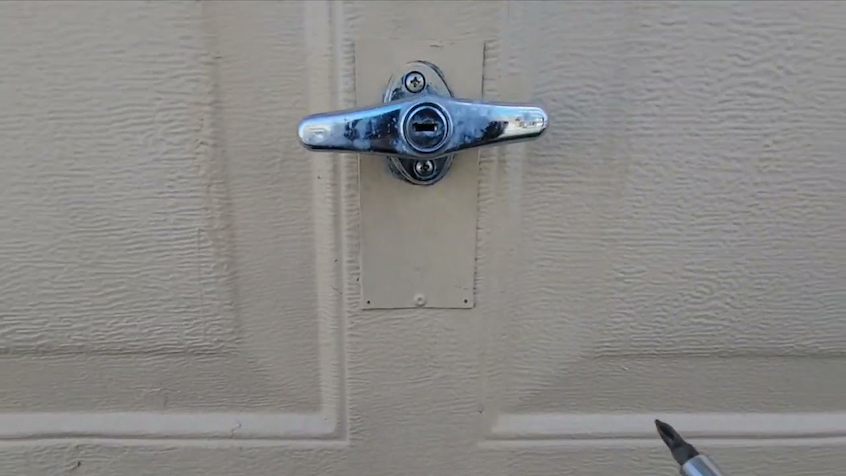
T-handle locks are generally manufactured using durable metals such as stainless steel, zinc alloys and aluminium. Internal components, such as locking pins, are made from hardened steel or brass, providing strength and corrosion resistance.
Choose T locks in high-grade stainless steel in applications where resistance to rust, corrosion and drilling is paramount. Go with more affordable zinc alloys for locks used indoors or choose aluminium for low weight and simplified access.
Non-locking types can also be made of Nylon, which balances low weight, rust resistance and an affordable price. For internal parts, brass provides precision and rust resistance in cylinders, while hardened steel ensures strength and durability in cams, locking pins and anti-drill plates.
Key Benefits
- Superior leverage and ease of use: The distinct T-shape increases rotating torque, ensuring even the heaviest doors can be opened with a single hand.
- Mechanical reliability: With few moving parts and durable handles and internal components, these locks provide years of reliable use, even in frequent daily use or demanding weather conditions. Compared to other lock types, they also require little to no maintenance.
- Enhanced sealing: Compression locks create an airtight seal, preventing dust, water and debris.
- Versatile and space-saving designs: Choose flush-mount handles where space is limited. These prevent unwanted snags and bump hazards from passing objects and obstacles.
- Mounting versatility: The locks can be mounted on various materials, ranging from metals and plastics to wood and composites
Minor drawbacks include lockout risks from lost keys and slightly lower security compared with traditional deadbolt and multi-point locks, which better resist tampering and damage to internal components during forced entry.
Summing Up
Straightforward use, durable builds and versatility for a range of applications and settings make T-handle locks a viable security option. Offered in multiple designs and a range of materials, they provide practicality, security and convenience in a range of applications – from garage doors and sheds to toolboxes and industrial enclosures.
