

Your Guide to Picking the Best Sealants for Shower Doors
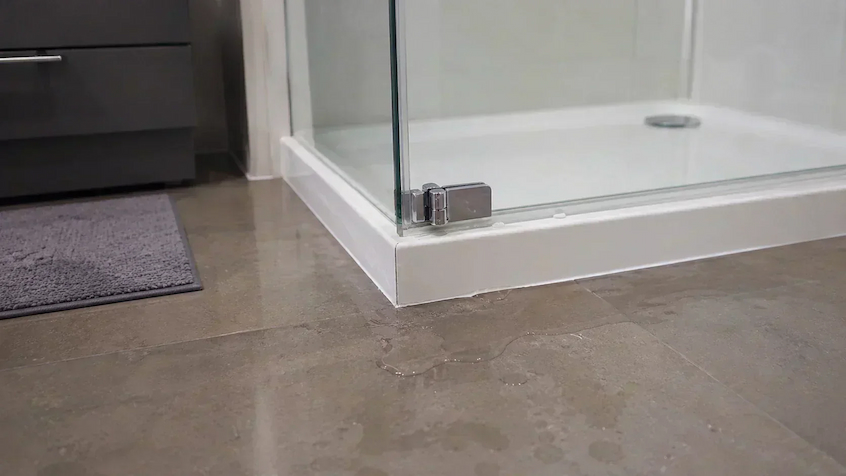
Shower enclosures rely on precise sealing to keep water contained and bathrooms safe from constant moisture exposure. Without a proper finishing edge, even a well-built door system can allow leaks that lead to damage over time, including swollen frames, mould growth and slippery floors.
Selecting the right sealing component is less about appearance and more about maintaining function and longevity. Among the most important elements in this system is the sealant for shower doors, designed to create a tight barrier between fixed and moving glass panels or between glass and surrounding surfaces.
Understanding how this component works helps homeowners and installers avoid common issues that develop when incompatible or worn seals are used. As bathroom designs vary widely, so do sealing requirements, making informed selection essential before any replacement is made.
Understanding Shower Door Sealing Systems
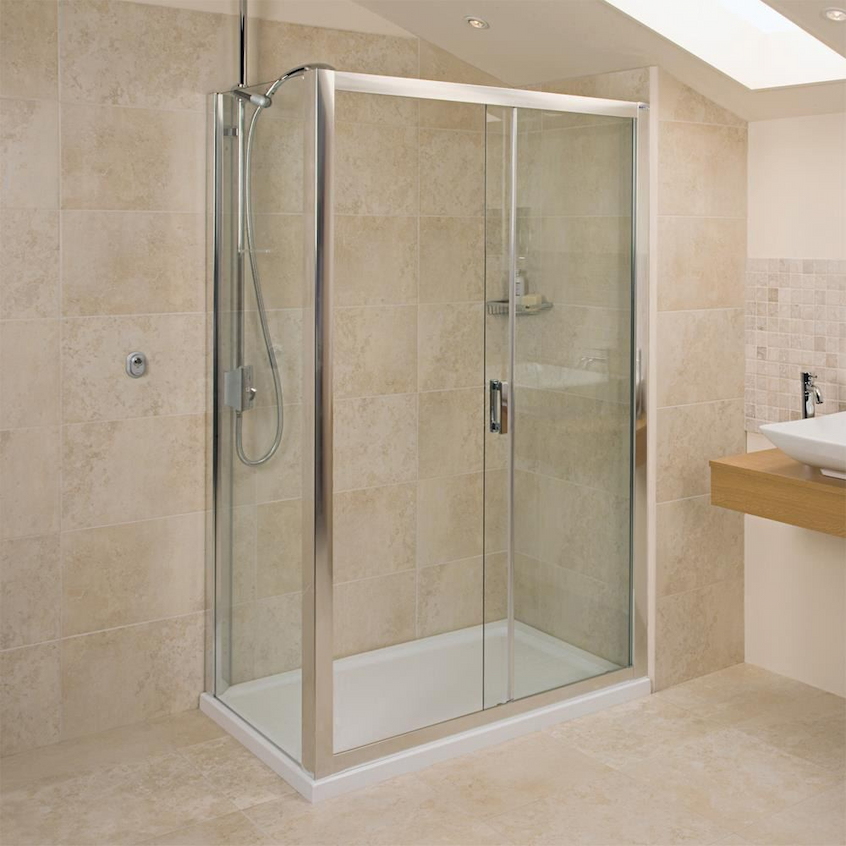
Shower door sealing systems are typically designed in profiles that match specific glass and frame configurations rather than a single universal format. Common variations include bottom seals that prevent water escape at floor level, side seals that reduce gaps between glass panels and wall junctions, and magnetic or compression-style profiles that help doors close securely.
Each variation is shaped to control water movement in different pressure points within the enclosure. Materials are generally flexible PVC or similar vinyl compounds for durability, resistance to mould and ability to maintain shape under repeated use. The easy-to-install sealant for shower doors plays a central role in ensuring compatibility between moving and fixed sections, especially where precision fit is required.
Because glass thickness and shower doors differ, selecting the correct profile type is essential for creating a consistent watertight barrier without forcing or distorting the material.
In practice, these sealing profiles are engineered to control water at specific leak-prone points rather than acting as a single universal barrier. Some designs prioritise downward deflection of water, while others focus on lateral containment or door closure support. The choice is often influenced by how the enclosure is used and the pressure created during showers. Understanding these functional differences helps narrow down suitable options before any replacement work begins.
Ultimately, precision matters more than preference when choosing components for wet environments, and long-term performance is closely tied to correct pairing with the enclosure design; selecting a well-matched component ensures stability and reduces ongoing maintenance demands.
Smarter Selection Steps
Selecting the appropriate sealing solution depends on understanding how the shower is built and how water behaves during use. Glass thickness, door movement, hinge direction and enclosure layout all influence which profile will perform correctly. A mismatch often results in gaps or excess friction, reducing both effectiveness and lifespan. It is also important to consider how easily the material compresses against glass, as overly rigid options may fail to form a consistent seal while overly soft ones may wear faster.
Most questions around compatibility come down to measurement accuracy and profile shape rather than brand variation, since sealing systems are generally standardised by function.
- Check compatibility of profile geometry with enclosure design.
- Measure glass thickness precisely.
- Evaluate flexibility and compression behaviour.
- Inspect drainage and water flow direction in enclosure.
- Consider replacement frequency and material resilience.
Performance Over Time and Ongoing Care
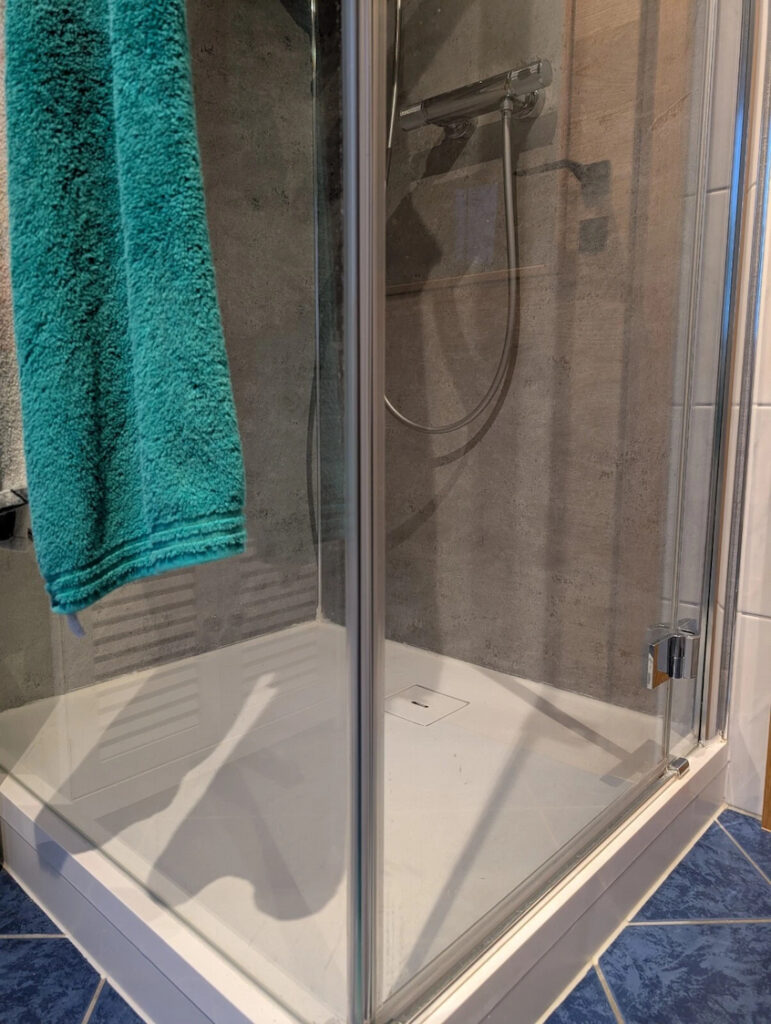
Proper performance over time depends on correct installation technique and routine care. Even high-quality sealing materials can underperform if not aligned evenly or if the contact surface is contaminated with residue. Moisture exposure combined with soap buildup can gradually affect flexibility and grip, leading to minor leaks that worsen over time.
Regular inspection helps identify early signs of wear such as hardening edges, discolouration or reduced compression against glass. Replacement cycles vary depending on usage frequency, ventilation and cleaning habits, but consistent upkeep significantly extends functional lifespan.
In many cases, issues attributed to structural faults are actually caused by degraded sealing components, reinforcing the importance of choosing and maintaining the sealants correctly from the beginning.
Environmental factors such as humidity levels and ventilation also play a subtle but important role in how long seals remain effective. Poor airflow can accelerate material fatigue, while well-ventilated spaces tend to preserve flexibility and adhesion for longer periods. Considering these conditions alongside routine care helps maintain consistent performance over time without frequent replacement.
A System That Works as One
Achieving a reliable, lasting shower enclosure outcome comes down to selecting shower door seals that precisely align with structural requirements rather than opting for generic substitutes. When the shower door seal matches the enclosure design, water control improves naturally and long-term maintenance becomes simpler. Across different bathroom layouts, attention to profile compatibility and material behaviour consistently delivers better performance than reactive repairs.
A well-matched sealing approach reduces the likelihood of leaks, supports structural integrity and maintains a cleaner environment over time. Ultimately, thoughtful selection at the outset ensures the entire system performs as intended, especially when choosing the right shower door seals as part of the overall design decision.
