

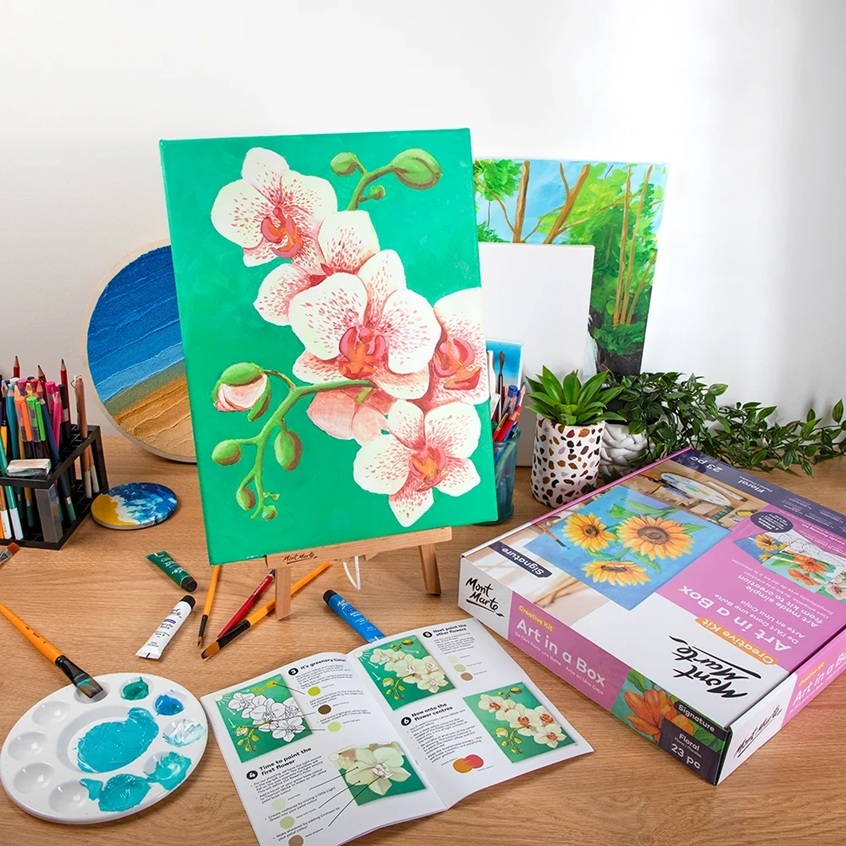
The Complete Guide to Choosing the Right Art Set
Finding the ideal artist set can feel like searching for a needle in a haystack. With countless options ranging from simple colouring kits to extensive collections packed with paints, pencils and accessories, it is easy to choose a set that looks impressive but does not actually suit the artist. Whether you are shopping for a budding child artist, a creative hobbyist or someone developing more advanced skills, this guide will help you cut through the clutter.
The Artist’s Age
Age matters more than you might think. Hand a young child a kit designed for an experienced painter, and you may end up with frustration instead of fun. On the other hand, a growing artist can quickly outgrow a basic set. The key is to match the materials with the artist’s abilities, attention span and curiosity.
For younger children, smaller but colourful sets are often the sweet spot. Therefore, turn creativity into art with a fully stocked 9-piece paint-and-create art set. It can provide enough materials to keep little hands busy without turning the table into a sea of supplies.
9-piece art sets with playful themes can make creativity feel less like a task and more like an adventure. The themed collections available include subjects such as queen bee, dinosaurs and monsters, giving children an instant idea of what they can create. These sets are especially appealing when a child is still developing confidence because the theme provides a fun starting point without placing too much pressure on them to come up with an idea from scratch.
Larger collections with 12, 24 or more pieces, on the other hand, can give older children, teenagers and adults greater freedom to experiment. These artist sets focus on painting, drawing, colouring and mixed-media creativity, giving budding artists the chance to try different techniques and discover what they enjoy most. A larger set also means more colours, tools and materials to play around with, which can be particularly useful for children who are constantly asking, “What else can I make?”
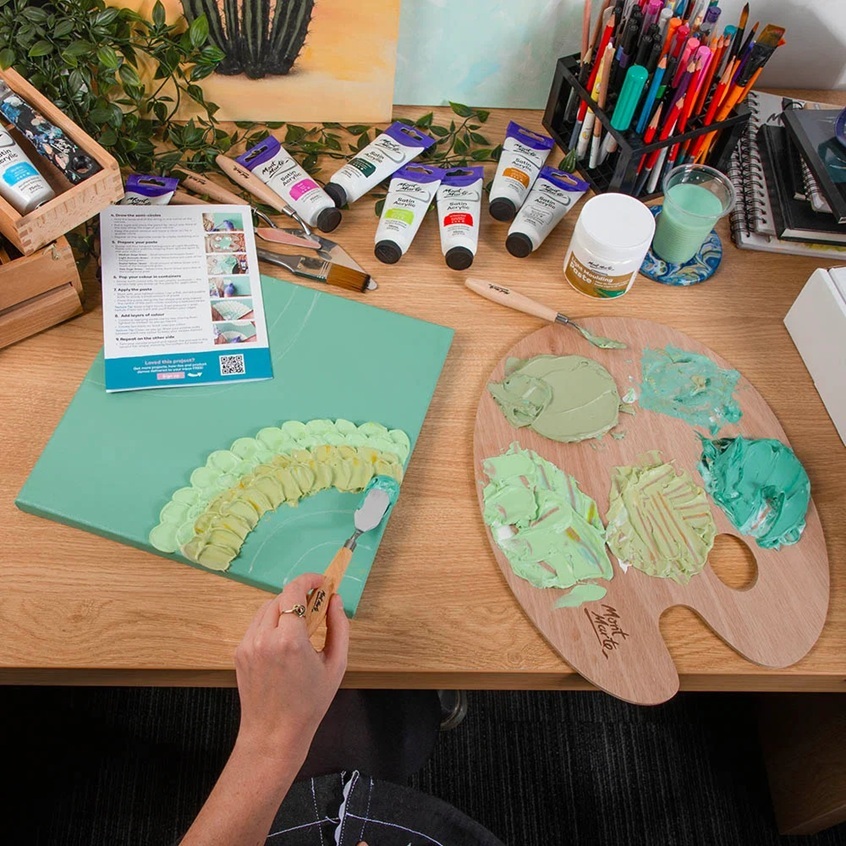
For teenagers and adults, themed sets can become more technique-focused. Options centred on acrylic painting, watercolours, sketching, and other artistic media allow the artist to practise specific skills rather than simply completing a themed project. Larger sets can also offer a wider selection of materials, making them useful for artists who already have a favourite medium or want to branch out.
Type of Art
The type of art you enjoy should be one of your first considerations when choosing an art set. There is little point in buying a kit packed with different types of paints if your heart belongs to sketching. Start by thinking about what you naturally gravitate towards, then choose a set that gives you the right tools to explore it.
If you’re a painter, sets featuring acrylics, watercolours or other paint mediums provide plenty of room to experiment with colour, blending and brushwork. If drawing is your thing, look for sets built around sketching, pencils, markers or colouring, with enough variety to explore different lines and effects. Mixed-media sets are another great option for those who refuse to stick to just one technique. These collections combine different materials, letting artists switch between drawing, painting and other creative approaches.
Look at What Is Included
Don’t judge a set by its piece count alone. A box boasting dozens of items might sound like a bargain, but what matters is what those pieces actually are. Before buying, open up the details and check whether the set includes the materials the artist will genuinely use.
Look for a useful mix of essentials, such as paints, brushes, pencils, markers, palettes, canvases or other creative surfaces, depending on the type of art. Some sets are deliberately compact, with around nine pieces for straightforward projects, while larger collections can bring together a much wider selection of colours and tools. Themed sets may also include materials chosen specifically for a particular creative activity, making them easier to pick up and use straight away.
Also consider whether the set provides enough variety without becoming cluttered. A carefully selected collection of useful materials can be far more valuable than a huge box filled with extras that sit untouched.
Consider the Quality of Materials
A beautiful art box set can lose its appeal pretty quickly if the materials feel disappointing. That’s why quality deserves a closer look before you buy. Good materials should feel enjoyable to use, perform consistently and give the artist enough control to experiment without fighting the tools.
Pay attention to the pigmentation, texture and consistency of paints, as these can make a noticeable difference when mixing colours or building layers. For drawing art box sets, consider how smoothly pencils, pastels or markers apply and whether they offer enough variation for different techniques. Brushes should also feel comfortable in the hand and hold their shape during use.
That doesn’t mean every artist needs professional-grade supplies. Beginners may be perfectly happy with accessible materials that let them practise and experiment, while more experienced artists may appreciate sets containing materials designed for more detailed work.
