

Stainless Steel vs. Plastic Lunch Boxes: Which Are Better?
Lunch boxes are a practical and convenient solution for meal organisation. They’re a go-to solution for putting your health first, keeping the food fresh and easy to carry. But aside from supporting health, these boxes also seem to save you a lot of money on food and reduce environmental waste, especially if chosen right. The choice of meal organisers is huge, but only two are considered the most popular and used – stainless steel and plastic lunch boxes.
Why Choose Stainless Steel Lunch Boxes?
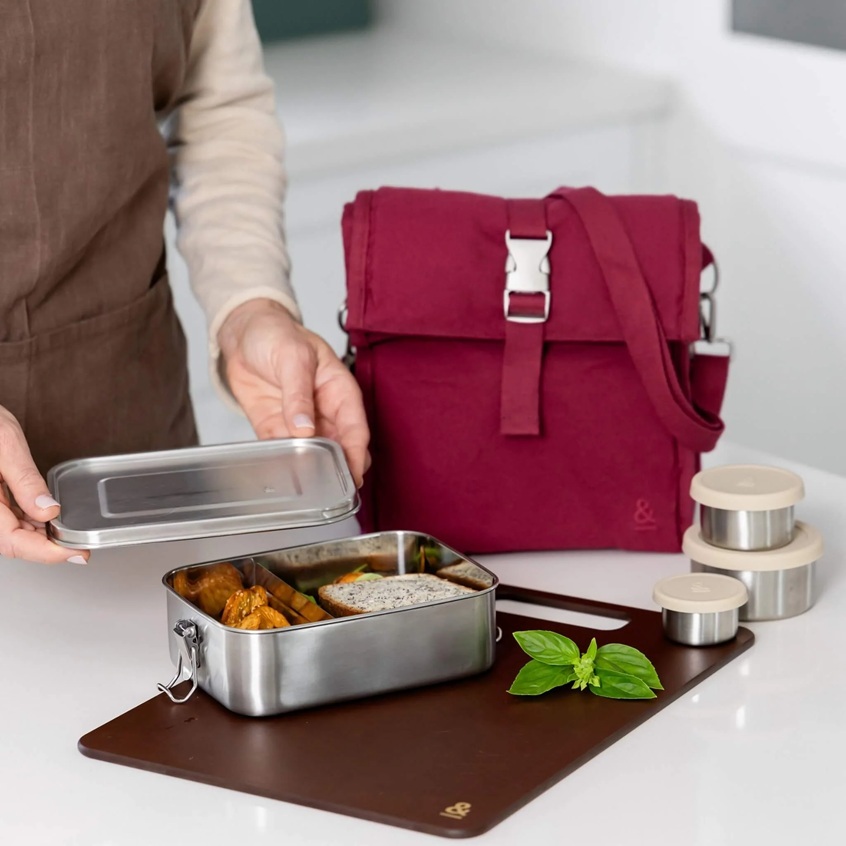
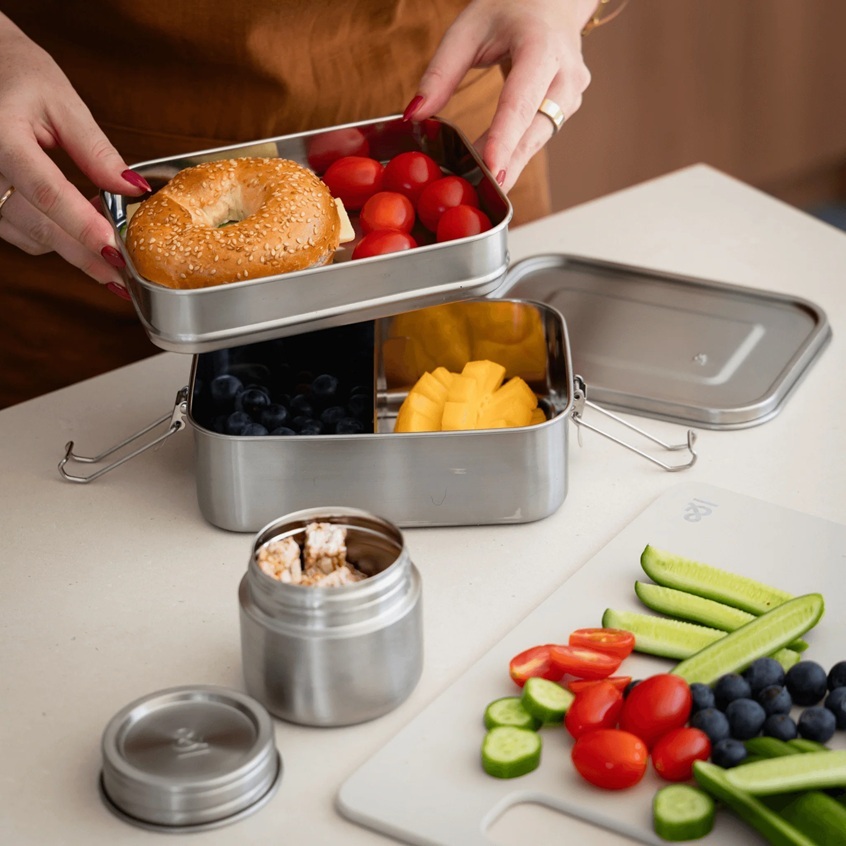
When it comes to choosing lunch boxes, stainless steel is often the top choice for several reasons. First, it’s durable; second, it’s reusable; and third, it’s safe. These metal lunch boxes are corrosion-resistant, odour- and stain-resistant, and perfect for carrying any food, hot and cold. To choose quality, safe-to-use, and reusable lunch boxes, stainless steel should be certified as food-grade, usually 304 or 18/8.
Boxes of this kind are completely free of chemicals, so you won’t have to worry about toxins like BPA and phthalates leaching into your food. So, ‘Is a stainless steel lunch box safe for health?’ Yes, it is, only if the chosen one is made from food-grade stainless steel. In order to obtain a 100% safe-to-use box of this kind, you should choose one with a stainless steel lid as well. However, you can also opt for one coming with a silicone or plastic lid/tray. When choosing one with a plastic/silicone lid and tray, make sure to choose ones that are made of food-grade plastic because they can get in touch with food whether you like it or not.
Why Choose Plastic Lunch Boxes?
A plastic lunch box is a lightweight box, usually made from synthetic materials such as polypropylene (PP) or Tritan. Unlike stainless steel, these boxes are available in a range of colours and designs, which makes them the first choice for children. Being made from plastic means manufacturers have the freedom to create moulded compartments, shaped lids, handles and colourful designs. Unfortunately, plastic containers tend to absorb and even change colour, which isn’t ideal. Even though the quality ones are made from BPA-free plastic, they can leach some toxins, especially if scratched. Speaking of which, plastic containers are prone to scratches and can wear out, especially when washed in the dishwasher.
Which Is Better?
Stainless Steel vs. Plastic
| Material | Food-Grade Stainless Steel | Food-Grade Plastic |
| Everyday Durability | Excellent durability | Good (depending on the type of plastic) |
| Weight | Light but a bit heavier than plastic | Lighter |
| Resistance to Staining/Odours | Excellent resistance | Usually no resistance to staining and odour |
| Heat Suitability | Generally suitable for hot foods when designed for it | Depends strongly on the specific plastic/product |
| Scratch Resistance | Great scratch resistance | Unfortunately, all types of plastic are prone to scratches |
| Long-Term Reusability | Excellent | Depends on the plastic, usage and condition |
| Leak-Proof Performance | Depends on lid/closure The chosen one should have a silicone seal for creating extra pressure and vacuum. | Depends on lid/closure The chosen one should have a silicone seal for creating extra pressure and vacuum. |
| Dishwasher/Microwave Usage | Suitable | Product-specific |
| Main Buying Consideration | Stainless steel grade, construction and closure | Food-contact material, temperature limits and condition |
Even though the material itself doesn’t determine the box’s performance, it still seems that stainless steel containers are a way better option. They’re safer to use, longer-lasting, more durable and resistant to everything that plastic isn’t. Nowadays, you can even choose one with designs and colours. The only rule to follow is not to wash them in the dishwasher. Even though some people consider stainless steel a super heavy option, this isn’t true. Boxes made from it are still light in weight, making them the perfect option for everyday use.
When searching for the right one, aside from the material, make sure to consider the box’s compartments, trays and utensil options. Speaking of compartments, practice shows that boxes with 5 or 4 compartments are considered the most popular option among parents, as these boxes allow for carrying a full sandwich or a portion of other food, along with 2 other pots for snacks or snacks and dip. Just keep in mind that these boxes are a bit heavier as they allow for carrying more food. Considering the box’s size is also essential for knowing how much food it could carry. Smaller boxes might be more convenient and practical. However, they cannot carry the same amount of food as the bigger ones. As you can see, the choice is certainly huge, and so is your chance of finding the one that can best meet your and your child’s needs. Just make sure to consider everything to make the right choice.
