

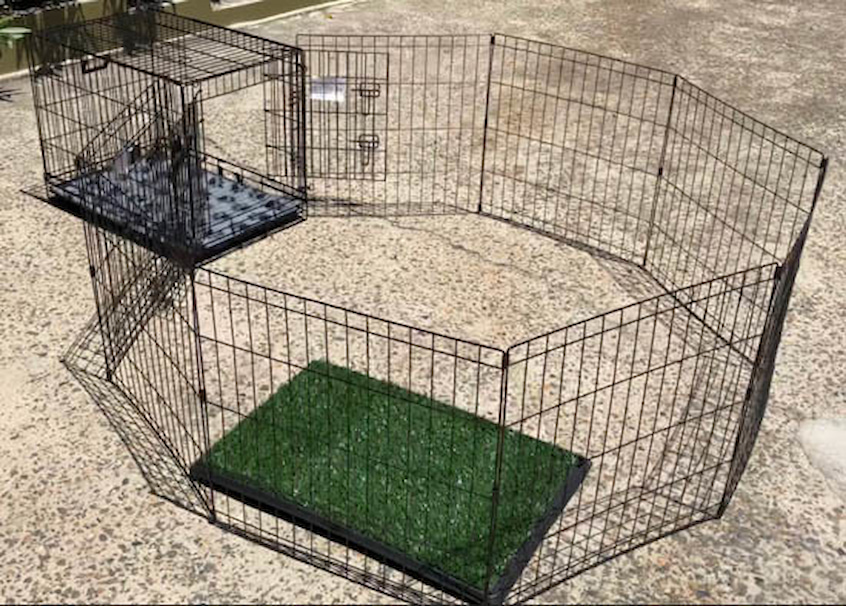
How to Choose a Dog Cage That Suits Your Pet’s Needs
Bringing a dog into your home is a huge responsibility. Sure, it’s exciting to welcome a new puppy and spoil them with toys, treats and cute clothes. However, once the initial excitement of puppy parenthood settles, you’ll need to teach your dog how to behave, respect your space and become more independent.
One of the best ways to do this is by providing your pet with a safe, enclosed environment where they can rest, play and learn essential behavioural skills. Having a designated space can also help establish a routine and keep your home calm, clean and organised.
Dog cages aren’t just useful for keeping your pet contained at night or when you’re away; they provide a comfortable space where your dog can relax, observe their surroundings and learn to spend time on their own without getting into mischief around the house.
Whether you need a simple collapsible dog cage that’s compact and easy to use, fold and store, or a plastic playpen, here’s everything you need to know before making a purchase.
Why Does Your Dog Need a Cage?
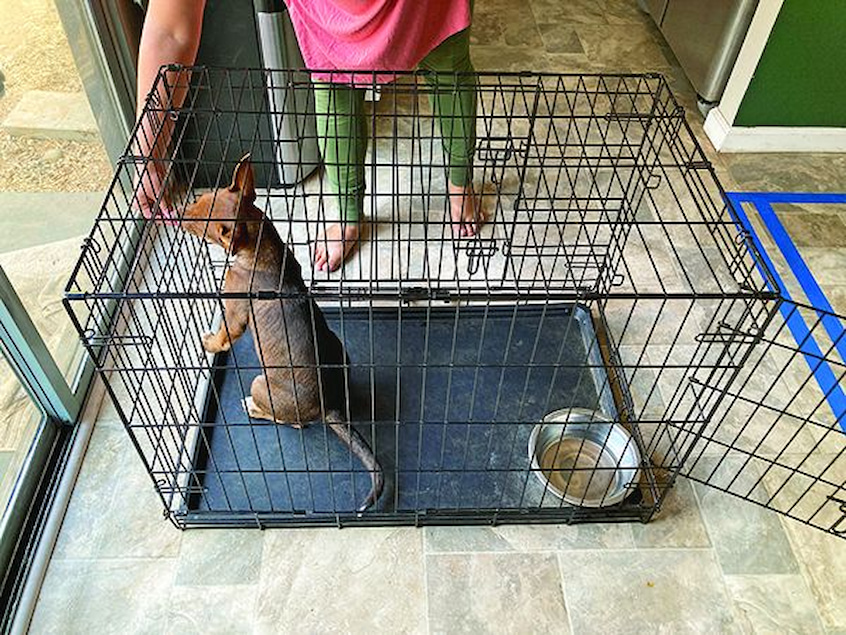
For many years, dog cages were primarily associated with keeping dogs confined for one reason or another. However, over time, and with the help of professional trainers sharing their knowledge on social media, dog cages have taken on a new purpose. Today, your dog’s cage is no longer a place associated with punishment or confinement. Instead, it can serve as a safe haven where they can rest, relax, play and learn essential life skills.
Although keeping your dog in a cage for more than three hours a day is generally not recommended, the time they spend there should always be associated with relaxation rather than punishment. This is particularly important if you have a young puppy who is still learning how to behave. Having their own designated space allows them to play independently while you take care of your daily chores.
A dog cage provides a safe and comfortable environment where your pet can unwind. It gives them their own little space, complete with their favourite toys, a cosy resting area and enough room to entertain themselves. This can gradually teach your dog how to spend time alone and become more independent.
Because puppies can be quite destructive before they’ve learned proper behavioural skills, a dog cage can also help protect your home from unwanted messes, chewed-up furniture and accidents on the floor. Spending short periods in their own space can encourage puppies to develop independence, confidence and healthy play habits without constantly getting distracted by everything around the house.
Different Types of Dog Cages
Every dog is different. From their breed and age to their size and behaviour, your pet needs a cage that suits their specific needs and provides enough room to grow. This is why you shouldn’t simply buy the first option that pops up on your social media feed.
Here are some of the most popular types of dog cages and the benefits they offer.
Collapsible Dog Crate
Collapsible dog cages are among the most practical types of dog crates available. They are designed to provide your dog with a safe, enclosed space whenever they need one. Once your dog is finished using the cage, you can simply fold it away and store it neatly.
These cages are particularly popular because they are easy to set up, fold down and store, even if you live in a smaller space. Collapsible cages are most commonly made of wire, although you can also collapsible crate designs that combine mesh with lightweight fabrics.
Portable Cages
Some cages aren’t just designed for play and rest. Portable cages are a popular choice for people who travel frequently with their pets. They usually feature convenient handles and are often made from lightweight materials, making them easier to carry from one place to another.
Many portable cages are constructed from metal wire, which allows for plenty of airflow and visibility. This design is particularly useful for anxious puppies who like to observe their surroundings and keep an eye on you while resting in their enclosure. Many models also feature removable bottom trays, making them extremely easy to clean and maintain.
Outdoor Kennels
If your dog loves playing outside in the sun but you don’t feel comfortable leaving them unsupervised while you’re busy, an outdoor dog cage, commonly known as a kennel, can be a great solution. It gives your pup an opportunity to enjoy some fresh air without wandering off.
Outdoor kennels are generally larger than regular dog cages, providing enough room for your pet to move around, explore and rest. Many designs don’t have a built-in floor, allowing your dog to enjoy the grass beneath their paws. Add some dog toys, food and fresh water, and your dog will have a comfortable outdoor space to enjoy while remaining safely contained.
Indoor vs. Outdoor Dog Cages: Which Is Better?
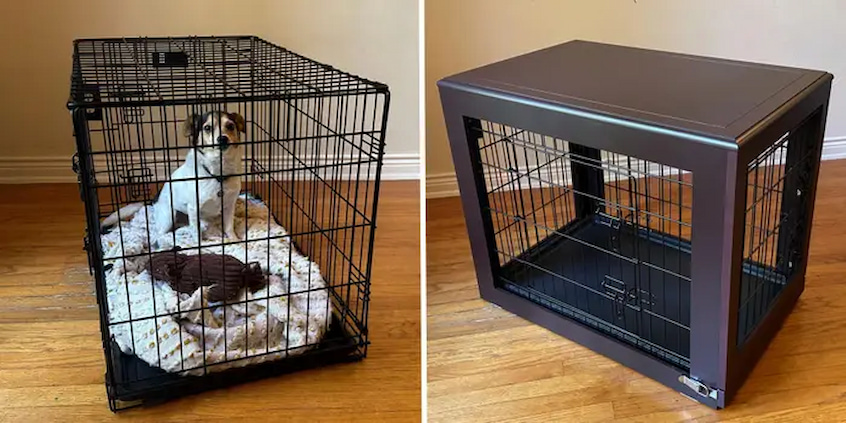
One of the biggest dilemmas new pet owners face when raising a puppy is deciding whether their dog should spend more time outdoors or enjoy the comfort of staying indoors.
Both options can benefit your dog’s well-being, depending on their age, personality and the safety of their surroundings. However, choosing the right cage can be a little more challenging when you’re unsure whether an indoor or outdoor option would be better for your pet.
Outdoor cages are a great choice for pet owners with gardens that can comfortably fit a larger dog kennel. This way, your pup can enjoy some fresh air and play in a safe, enclosed area without wandering off. However, if you live in an area with a large population of spiders, snakes or other small animals that could squeeze through the wire walls of the kennel, leaving your dog unattended outside can be dangerous, even in an enclosed space.
On the other hand, if you have a spacious home or a puppy that is more comfortable spending time indoors, an indoor cage can be beneficial for both of you. Your dog gets a designated, enclosed space to rest and play, while you can keep an eye on them and make sure they’re safe and comfortable.
Fortunately, you won’t always have to choose between the two. Many modern dog cages are portable and versatile enough to suit both indoor and outdoor environments. However, if you’re looking for something specifically designed for outdoor use, it’s worth considering a larger, sturdier kennel that offers your puppy more space and protection.
Conclusion
In conclusion, providing your dog with a safe, enclosed environment is essential for their mental and physical well-being. Young puppies can be unpredictable. They’re constantly on the move, chewing on anything they can find and scratching your floors along the way. By giving them a space of their own where they can comfortably play and rest, you’re encouraging independence while helping them feel safe, even when you’re not right beside them.
Dog cages can also benefit senior dogs by providing them with a quiet, comfortable place to relax away from the everyday noises and activity of the household. Whether you have a playful puppy or an older companion, the right cage can make a big difference in your pet’s comfort, safety and overall well-being.
