

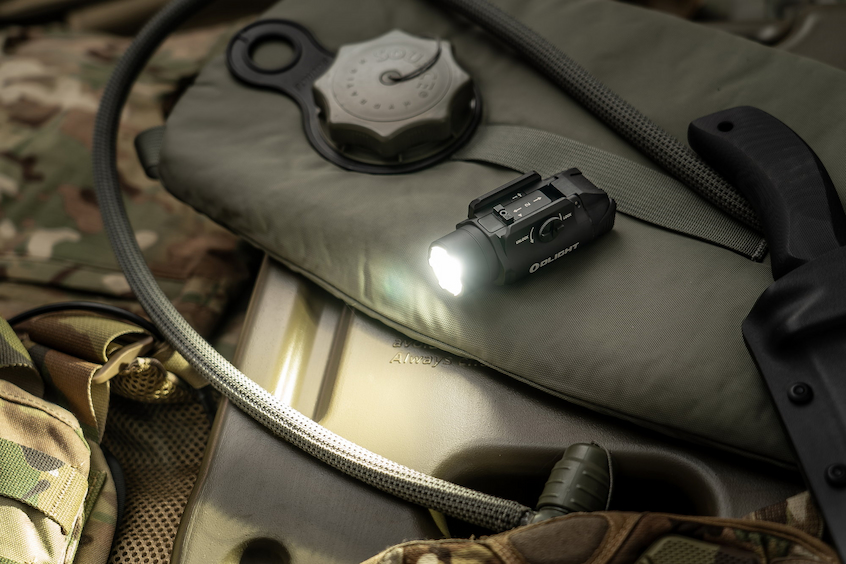
A Guide to Precise Lighting: Mounted Tactical Lights
Reliable illumination is a fundamental part of operating safely and effectively in low-light conditions. Whether used by law enforcement, security personnel, professional shooters or experienced recreational users, weapon-mounted lighting improves target identification while allowing both hands to remain on the firearm. This combination of visibility and control can be critical in situations where split-second decisions are required.
Unlike handheld torches, mounted lighting systems stay aligned with the firearm, reducing unnecessary movement when transitioning between positions or scanning an environment. Modern designs have also become significantly more compact without sacrificing brightness, making them suitable for both full-sized and compact platforms.
Advances in rechargeable battery technology, durable aluminium construction and sealed electronics have further increased their reliability in demanding outdoor conditions, including rain, dust and repeated recoil.
Modern Mounted Lighting Systems
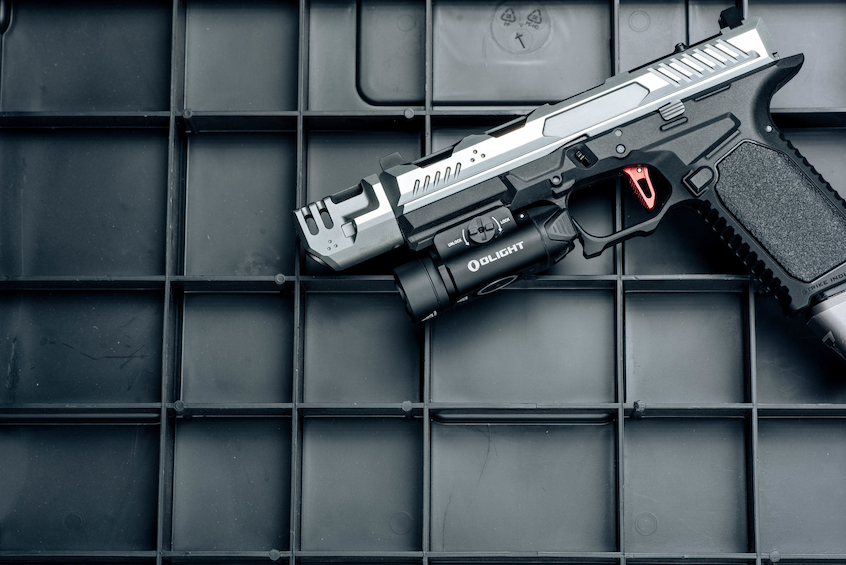
PL mounted lights are designed to attach directly to compatible accessory rails, providing immediate illumination without affecting the user’s grip. Their primary purpose is not simply to produce light but to improve visibility, target recognition and situational awareness in environments where natural or artificial lighting is limited.
Positive identification is widely recognised as one of the most important principles of responsible firearm use, making mounted illumination a practical safety feature rather than just an accessory.
Most modern systems fall into several broad categories. Compact models prioritise minimal weight and concealability, making them suitable for everyday carry setups. Full-sized duty versions generally offer longer runtimes and higher light output for professional applications, while high-performance variants are engineered for users who require maximum illumination over greater distances.
Rechargeable lithium battery systems have become increasingly common, reducing ongoing battery costs while delivering consistent performance across repeated charging cycles.
Higher lumen ratings indicate greater total light output, but beam pattern is equally important. A concentrated hotspot provides greater distance, whereas a wider spill illuminates peripheral surroundings and improves awareness of the immediate environment. The most practical balance depends on where the light is expected to be used rather than simply selecting the highest advertised output.
Fit, Function and Field Use
High-grade aluminium alloys provide an excellent balance between strength and weight while resisting corrosion. Many modern housings are hard-anodised to improve scratch resistance, and sealed construction helps protect internal electronics against water, dust and debris encountered during outdoor use. Switch design is another important consideration. Controls should remain easy to activate without forcing major changes to grip or hand position.
Ambidextrous controls have become increasingly popular because they accommodate different shooting styles and improve accessibility regardless of dominant hand. Rechargeable systems further simplify long-term ownership by reducing disposable battery consumption while maintaining consistent output across charging cycles.
Operational requirements should determine the final choice. Users prioritising concealment often benefit from compact configurations, whereas professional applications may favour larger units offering longer runtimes and broader illumination.
Performance and Everyday Use
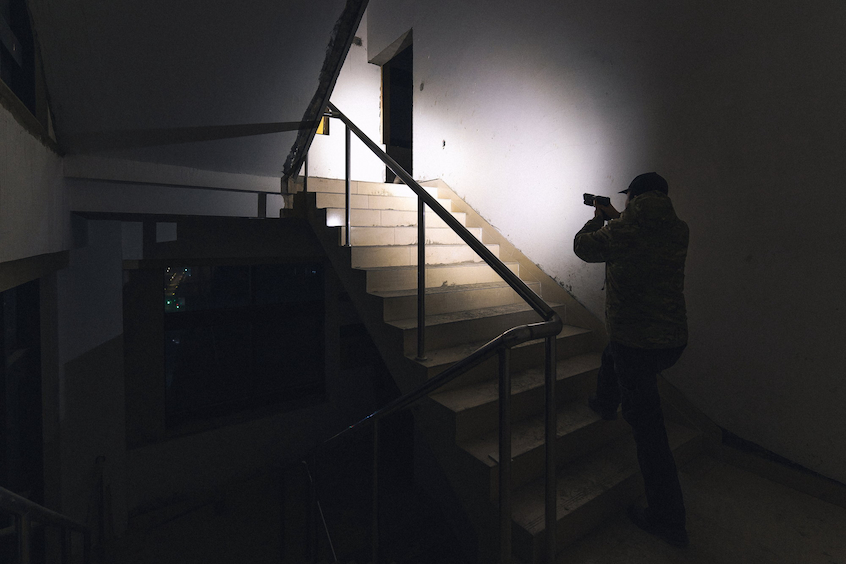
Runtime varies according to brightness settings, battery capacity and operating temperature. High-output modes naturally consume more energy than lower settings, but rechargeable lithium batteries generally provide stable performance throughout much of their discharge cycle before requiring recharging.
Many modern systems also incorporate electronic regulation to maintain more consistent brightness instead of gradually dimming as battery levels decrease. The durability of a PL mounted light remains equally important. Recoil generates repeated shock forces that ordinary handheld torches are not engineered to withstand.
Purpose-built mounted lighting incorporates reinforced internal construction designed to tolerate repeated firing while maintaining electrical reliability and optical alignment. Water-resistant sealing further extends usability across changing weather conditions without compromising performance.
As technology has progressed, PL mounted lights have also become smaller while delivering outputs that previously required substantially larger housings. This improvement allows users to equip compact platforms without adding excessive bulk, helping preserve handling characteristics while still providing dependable illumination when conditions demand it.
Practical Considerations Before Use
Choosing quality equipment is only part of achieving reliable performance. Good preparation and regular maintenance help ensure mounted lighting continues operating as intended over time.
- Verify that the mounting system remains securely fastened after extended shooting sessions or repeated handling.
- Recharge lithium batteries before extended use instead of routinely storing them completely discharged.
- Clean the lens regularly to remove carbon residue, dirt and moisture that can reduce usable light output.
- Inspect seals, controls and mounting components periodically for signs of wear, particularly after exposure to heavy rain or dusty environments.
- Practise activating the controls until operation becomes instinctive without unnecessary changes to grip or firearm handling.
Lighting up Your Path Ahead
Mounted illumination has evolved into far more than a simple accessory. Improvements in optical efficiency, rechargeable power systems, compact engineering and durable construction have made modern lighting an integral component of many professional and sporting firearm setups.
By understanding compatibility, beam characteristics, runtime, construction quality and intended application, users can make informed decisions based on practical performance rather than marketing claims. Selecting equipment that matches genuine operational needs ultimately delivers greater confidence, improved visibility and more dependable performance whenever lighting conditions become unpredictable.
