

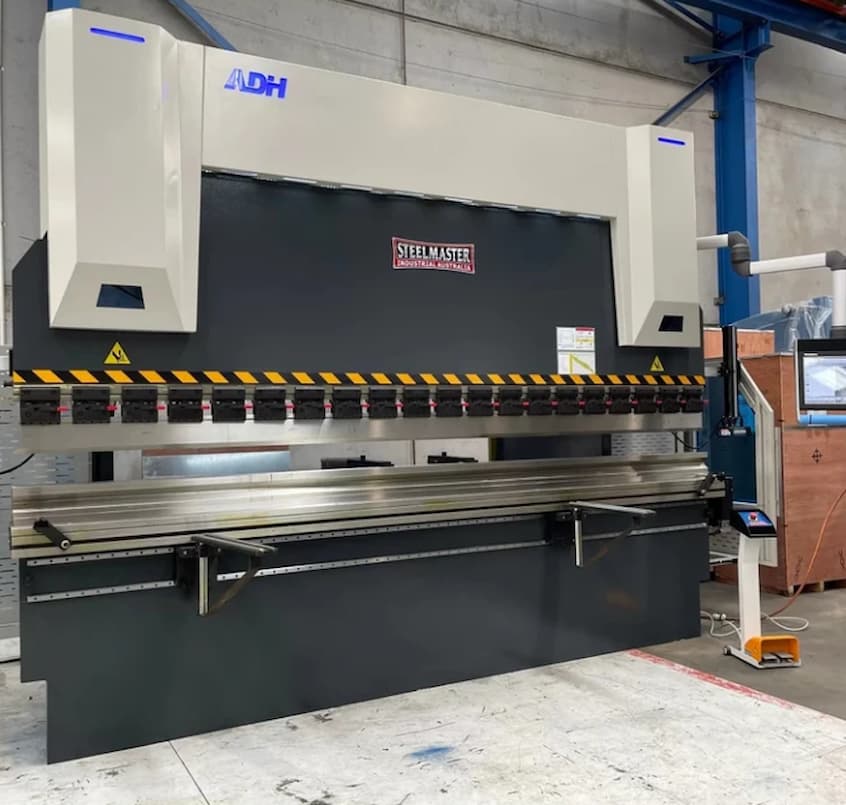
A Professional Guide to Choosing the Right Sheetmetal Machinery for Industrial Fabrication
Industrial fabrication machinery follows a straightforward sequence: prepare the material, cut it to shape, then bend, fold, roll, punch or form it into a finished component. The sheet metal machinery chosen for these stages affects dimensional consistency, throughput and the range of work a fabrication shop can accept.
A reliable sheetmetal machinery setup begins with the jobs the workshop actually performs, whether that means repeat production, structural fabrication, ductwork, enclosures or general custom work. The equipment covers conventional and CNC-controlled machinery, allowing workshops to choose between hands-on operation and greater programmability as production demands increase.
The Right Production Setup
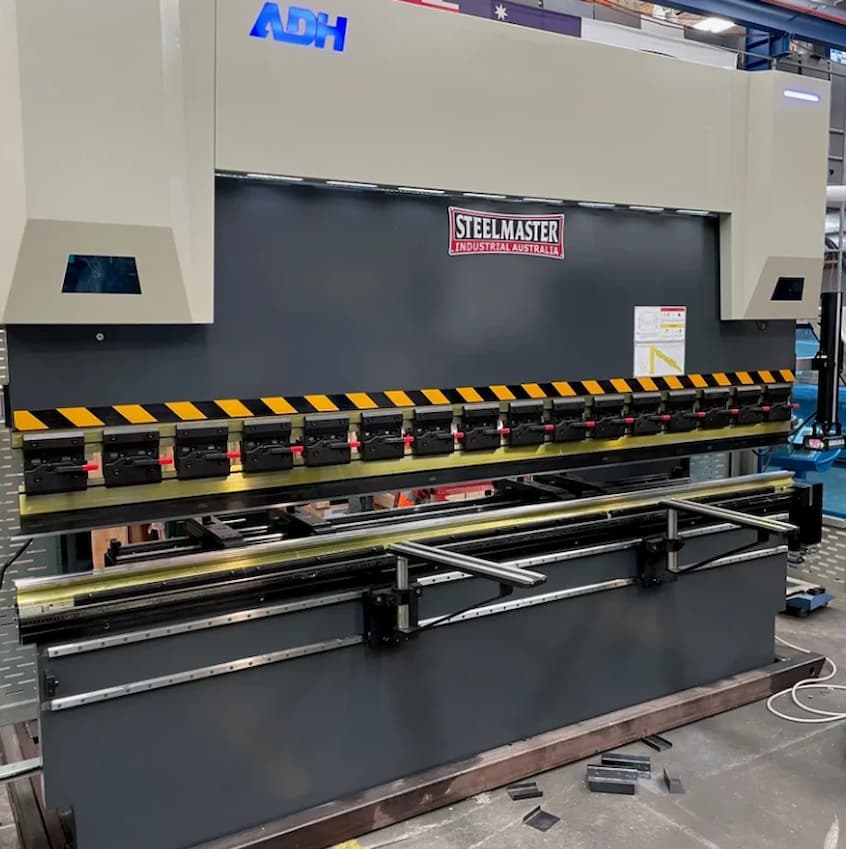
Metal fabrication machines can be broadly categorised based on how they shape, cut or otherwise work with the workpiece. Press brakes apply force through tooling to create controlled bends, making them central to producing brackets, panels, channels and other formed components. Guillotines shear sheet into straight-edged blanks, while panbrake folders clamp and fold material into trays, boxes and other angular forms.
Curving rollers progressively form sheet or plate into curved sections, whereas section and pipe rollers produce bends in profiles and tubular material. The same fabrication range extends into punching and shearing, lockseaming, bevelling, roll forming, swaging and jenny work, plus blanking and slitting operations.
CNC plasma equipment provides another cutting option, particularly for profiles and more complex shapes that cannot be produced with straight shear cuts. In practical terms, there is no single answer to “how many types” exist: the useful distinction is between the operation required and the machine configuration used.
This includes manual, programmable NC and CNC options across several categories, so the appropriate machine depends heavily on the repeatability and complexity of the work. Upgrading to automated sheetmetal machinery allows your team to handle high-volume production runs without manual bottlenecks.
Capacity, Control and Capability
Choosing metal fabrication machinery starts with the workpiece. Sheet thickness, material type, maximum dimensions, bend length, required force and the geometry of the finished part all narrow the field. Workshop equipment illustrates how widely these specifications vary, with bending capacities from lighter applications through machines rated in tonnes, and working lengths extending to several metres.
Cutting capacities similarly range from thin sheet to heavier plate. Control level is the next major decision. Manual machinery can suit varied, lower-volume work where an operator makes adjustments job by job. NC and CNC systems become more valuable when parts repeat, because programmed settings can reduce setup work and improve consistency between batches.
A CNC press brake, for example, can coordinate multiple axes and reproduce bend sequences with less manual intervention. That does not automatically make CNC the better purchase: sophisticated equipment can be poor value if the workload rarely benefits from its capabilities.
Five Checks Before the First Cut
A machine that looks impressive on paper can still be wrong for the production floor. Before committing capital, assess the complete workflow: how raw material enters the shop, how it is prepared, how parts move between operations and where finished components leave the process. Consider whether the machine’s capacity leaves sensible room above the normal workload without turning excessive capacity into unnecessary expense.
- Map the recurring jobs first, using representative parts and production quantities to establish which operations genuinely need automation or specialised forming.
- Compare capacity against the material being processed, including thickness, width, length and forming requirements, while checking the specification for the particular alloy or steel grade.
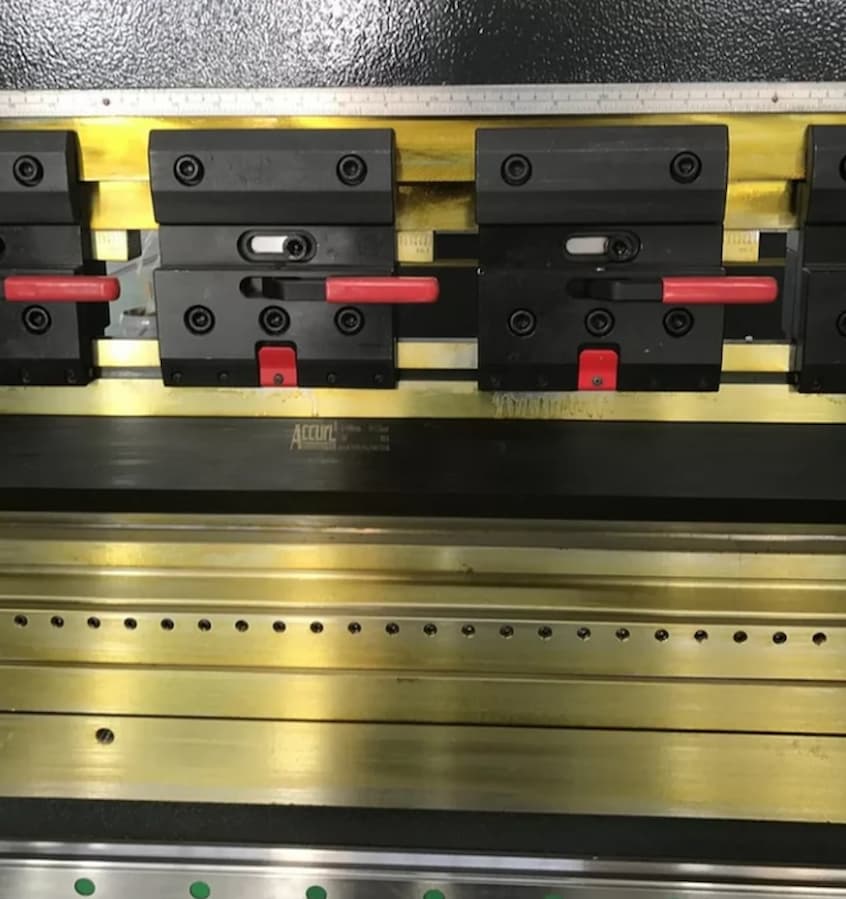
- Examine tooling and adjustment requirements alongside the machine itself, because press-brake tooling and punch-and-die arrangements influence what jobs can realistically be produced.
- Plan the installation around power, floor space, material handling, operator access and maintenance access; a machine must be safely fed, operated and serviced.
- Verify guarding, emergency controls, training and maintenance arrangements before operation. Australian workplace guidance stresses that guillotines require effective guarding around blades, clamps and other danger zones, while press machinery needs controls that prevent access to hazardous moving areas.
A shop making straight blanks may value accurate shearing capacity, while one producing intricate formed components may depend more heavily on bending control and tooling flexibility. Another operation may need rolling, punching or continuous forming to keep material moving efficiently. Safety and maintenance should also be treated as part of machine selection rather than paperwork added afterwards.
WorkSafe Victoria notes that guillotines need regular inspection, adjustment and maintenance, including attention to cutting clearance, lubrication and blade condition. Safeguarding should remain effective during operation, cleaning and servicing; bypassing an interlock or removing a guard to save time defeats the engineering controls intended to separate people from danger.
Make the Investment Work Harder
Good sheet metal fabrication starts with knowing exactly what the finished component needs to be. Once the required operations, material range, dimensions, production volume and desired level of repeatability are clear, the machinery shortlist becomes much less mysterious.
The right combination can turn raw sheet or plate into consistent blanks, bends, curves and formed sections without forcing the workshop to pay for capabilities it will rarely use. With that groundwork done, metal fab machinery becomes less about buying a large machine and more about building a production process that makes technical and commercial sense.
