

A Smoother Way Up: A Guide to Choosing a Ramp for Your Pet’s Everyday Life
Pets rarely hesitate when jumping onto beds, couches, or into cars, but what looks harmless builds up over time. Each landing sends impact through joints, and that repeated stress becomes more noticeable with age or smaller body frames. Older pets, in particular, often lose the cushioning and flexibility that once made those movements effortless. Even healthy animals can begin to show strain if jumping is part of their daily routine.
The issue is not the movement itself, but the repetition of it across different heights throughout the day. What starts as convenience for the owner slowly becomes physical pressure for the animal, especially in homes where furniture or vehicle access requires frequent up-and-down movement.
The Quiet Upgrade Pets Notice
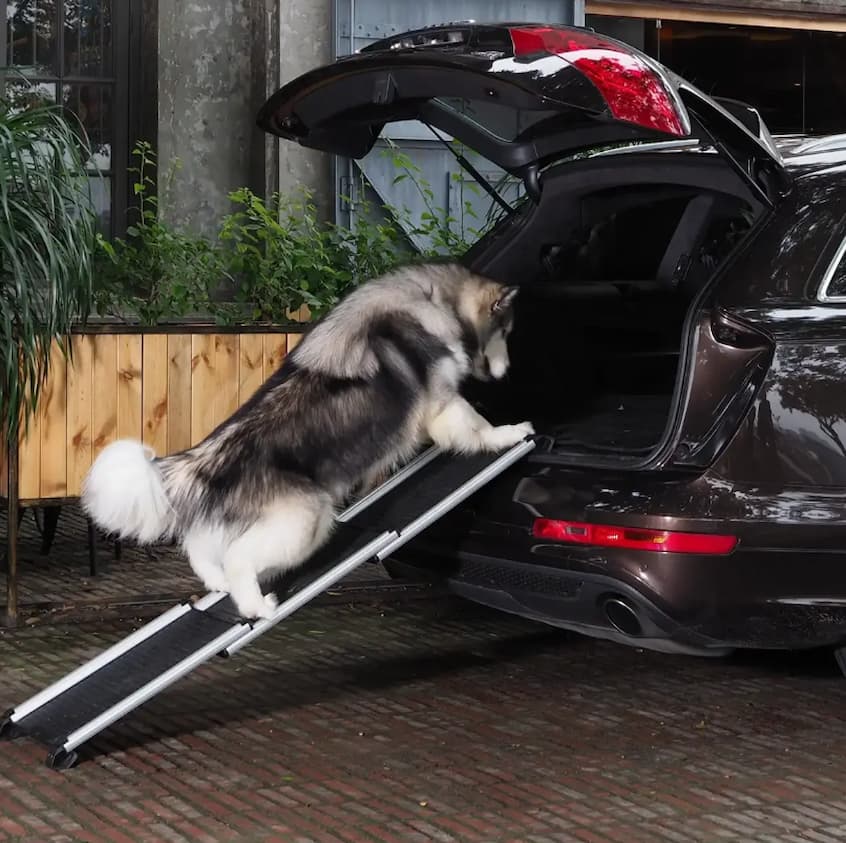
Portable pet ramps introduce a simple but meaningful change in how pets move through their environment. Instead of relying on jumping or being lifted, pets can move along a steady incline that supports their joints and reduces impact.
This shift allows them to maintain independence while lowering physical strain during everyday movement. They are useful across a wide range of situations, from car access to indoor furniture and even outdoor steps, making them a flexible mobility aid in different environments.
Choosing portable pet ramps early in a pet’s life can prevent long-term joint stress and make daily routines smoother for both pet and owner. The benefit is not just comfort in the moment, but consistency across repeated use, especially for animals that move between different heights multiple times a day.
How to Narrow It Down Properly
Choosing the right pet ramp comes down to matching it with the pet’s physical needs and daily environment. Size and weight are the first considerations, as they determine the strength and stability required. The length of the ramp directly affects its incline, with longer ramps creating a gentler and more comfortable angle.
Storage space is another practical factor, especially for homes where equipment needs to be stored when not in use. Transport convenience matters for owners who travel frequently with their pets, particularly between home and vehicle use. Surface grip and stability should always be checked, as they directly affect safety during repeated use. A well-matched ramp reduces hesitation and supports more natural movement over time.
Built for Real Life, Not Just Showrooms
Practical pet ramps are designed to handle repeated everyday use rather than occasional assistance. Lightweight frames make handling and repositioning easier, while still maintaining structural strength under load. Non-slip surfaces are essential for maintaining traction in different weather conditions or indoor flooring types.
Many designs also account for outdoor durability, allowing use in varied environments without degradation in performance. Stability features help keep the ramp secure during entry and exit, reducing movement that could disrupt a pet’s confidence. These combined elements ensure the ramp performs reliably across real-life situations rather than controlled or ideal conditions.
A Better Fit for Different Lifestyles

Different households require different ramp solutions depending on how pets move throughout the day. Homes with frequent travel needs may prioritise compact, foldable designs, while stationary indoor use may lean toward more stable, fixed structures. Some setups require flexibility between both environments, making adaptability more important than a single fixed design.
Variations in size and structure allow pet owners to match the ramp to their routine rather than adjusting their routines around the equipment. This flexibility ensures that the ramp remains useful across changing circumstances, whether it is used occasionally or multiple times a day.
Using It Right from Day One
- Introduce the ramp in a calm environment where your pet already feels comfortable, allowing them to explore it freely without pressure
- Encourage initial interaction by using treats or familiar toys to create positive associations with the surface
- Position the ramp on a stable, non-slippery surface before every use to prevent movement or shifting during stepping
- Adjust the incline so it is gradual enough for your pet’s size and mobility level, reducing hesitation or strain
- Reinforce repeated use through short, positive sessions rather than long or forced attempts, building confidence gradually
The Long-Term Payoff
The long-term benefit of using ramps is reduced strain on joints and improved mobility stability over time. Pets that avoid repeated jumping experience less wear on hips, knees, and spine, which can contribute to better comfort as they age. Owners also benefit through reduced lifting and physical assistance, especially for larger animals.
Over time, these small changes in daily movement patterns help maintain healthier mobility and reduce the risk of strain-related issues. The result is a more sustainable and comfortable way for pets to navigate their environment.
Less Lifting, More Living
Supporting pets with safer movement options changes the rhythm of daily life in a simple but lasting way. Instead of managing repeated lifting or worrying about jump-related strain, movement becomes smoother and more controlled. Pets maintain independence while reducing physical stress, and owners gain ease in everyday routines.
The shift is subtle at first but becomes more meaningful over time as it shapes healthier habits. It is a practical adjustment that supports long-term wellbeing without complicating daily life, making movement between spaces more natural and less physically demanding for everyone involved.
