

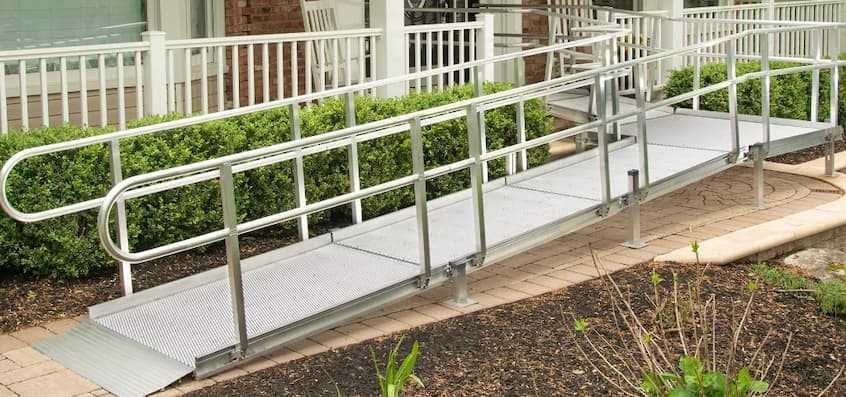
Access Ramps 101: Making a World of a Difference Where it Matters
Wheelchair ramps have a longer history than most people realise, tracing back to ancient times when sloped walkways were built into temples and palaces to make movement easier for those who couldn’t manage stairs. It wasn’t until the twentieth century, particularly after the World Wars, that ramps became a deliberate design feature aimed at helping injured veterans and people with mobility issues get around more freely. The modern push for accessible design really took hold from the 1960s and 70s onward. Since then, ramps have become a standard feature in public spaces, workplaces and homes.
Key Features to Look For
Gradient
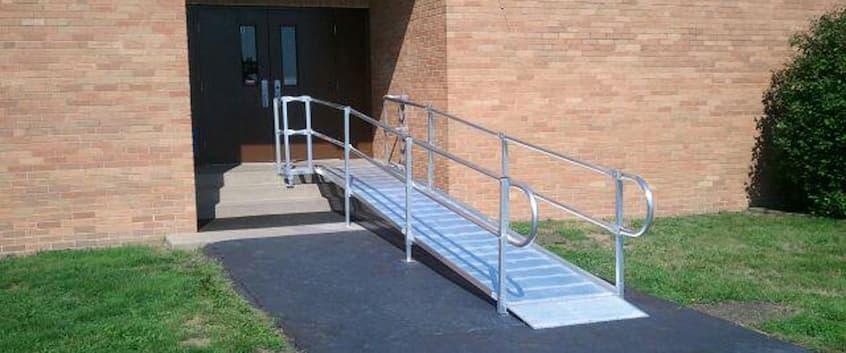
With gradient being one of the most important factors in any ramp, it refers to the slope relative to the height being covered and getting it wrong can make a ramp difficult or even dangerous to use. A gentler gradient is typically easier to manage, especially for someone self-propelling a wheelchair, which is why long access ramps are generally favoured over short, steep ones. This is especially true for ramps installed at building entrances, where councils and building codes often set minimum gradient requirements to keep everyone safe.
Surface
The surface of a ramp plays a big role in how safe it is to use, particularly in wet or icy conditions where a smooth finish can quickly become a hazard. Textured or grooved surfaces help provide extra grip underfoot and under wheel, which matters especially for outdoor ramps exposed to the weather.
Capacity
Weight capacity is another detail worth checking, since a ramp rated for light use won’t hold up under a mobility scooter or a heavier wheelchair with a passenger aboard. It’s worth choosing a ramp with a bit of buffer above what you expect to need, which matters even more for disabled access ramps used in busy commercial settings. This is particularly relevant in aged care facilities or hospitals, where equipment can vary widely from one user to the next.
Edges
Raised or tapered edges help keep wheels from slipping off the side of the ramp, a small feature that makes a considerable difference to overall safety. Ramps without this detail can feel unstable, especially on narrower designs, which is why edge design is worth checking before buying an accessibility ramp for regular use.
Types of Access Ramps
Threshold
Threshold ramps are small, low-profile ramps designed to smooth over the gap at a doorway, which can otherwise be a tripping hazard or an obstacle for wheels. These ramps are typically just a few centimetres high, making them ideal for indoor use where space is tight and a full-length ramp isn’t practical. Since many older homes and buildings weren’t originally designed with mobility in mind, threshold ramps offer a straightforward retrofit that doesn’t require any structural changes.
Channel
Channel ramps consist of two separate tracks rather than one solid surface, spaced to match the width of a wheelchair or scooter’s wheels. This design makes them lightweight and easy to carry, which is why they’re a popular choice for vans or garden steps, though lining up the wheels does take a bit of care.
Suitcase
Suitcase ramps fold in half down the middle, allowing them to be carried much like a briefcase once they’re not in use. A suitcase ramp is made to save you space and be as practical as any other access ramp. This makes them a solid option for anyone needing a ramp on the go, whether that’s for the car or visiting friends whose homes aren’t set up for wheelchair access.
Telescopic
Telescopic ramps extend and retract in sections, allowing them to be adjusted to different lengths depending on the height they need to cover. While they tend to be a bit heavier than suitcase or channel ramps, telescopic ramps make up for it with the flexibility to suit more than one setup.
Benefits of Using Access Ramps
Safety
Ramps help reduce the risk of trips, falls and strain that can come from navigating stairs, particularly for older people or anyone with limited mobility. Since a ramp spreads the change in height over a gentler slope, it helps prevent injuries over time. This is particularly important on ramps used every day, since even a small stumble can lead to a serious injury.
Convenience
Beyond safety, ramps simply make daily life easier, whether that’s wheeling in the shopping, pushing a pram over a step or getting a wheelchair through a doorway without needing help. This convenience extends to visitors and delivery drivers too, who benefit from a smoother path.
Versatility
Ramps aren’t just for wheelchairs, as they’re just as useful for prams, trolleys, walking frames and anything else with wheels that needs to get from one level to another. This versatility is part of why ramps have become such a common sight outside shops, offices and homes, which shows just how much wider the appeal of a good accessibility ramp really is.
Independence
Perhaps most importantly, disabled access ramps give people the freedom to come and go as they please without relying on someone else to manage steps or kerbs. This sense of independence makes a real difference to everyday quality of life, and that kind of freedom is something most people never have to think twice about.
