
aLittleBitOfAll | Industry
126
archive,paged,category,category-industry,category-126,paged-4,category-paged-4,wp-theme-bridge,ajax_fade,page_not_loaded,,qode_grid_1300,qode-theme-ver-9.4.1
 

Industry


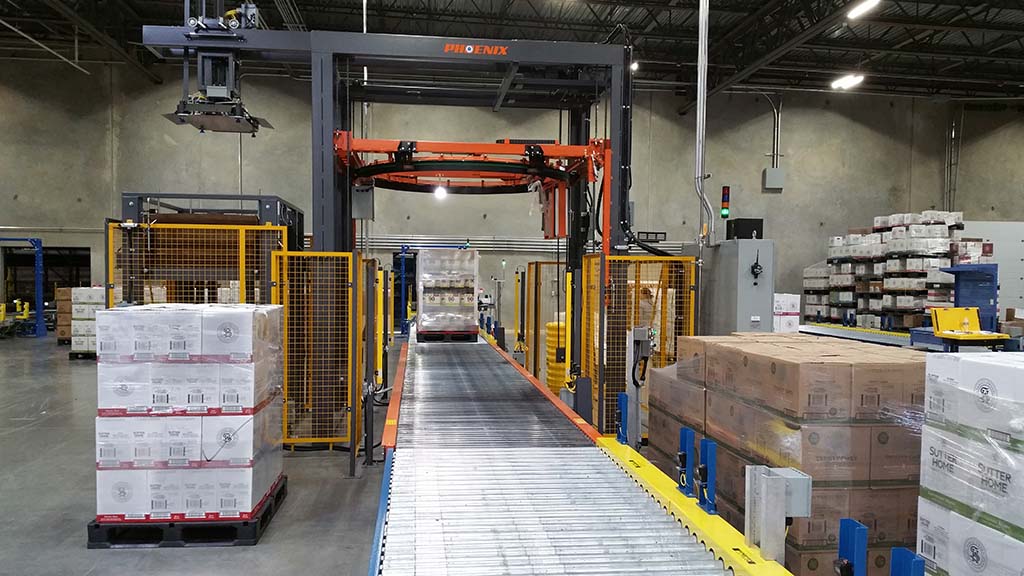
If you're involved with any type of high-volume processing or manufacturing business, then you understand how difficult the logistics of moving large quantities of unfinished products through plants and warehouses, or shipping finished products safely out the door can be.

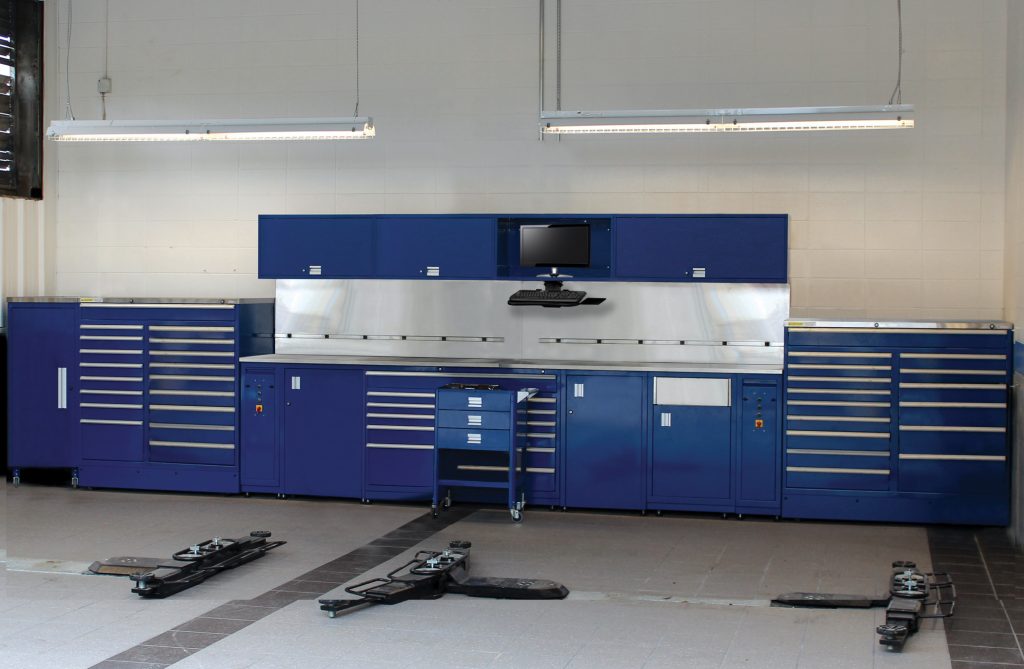
If you've seen one workbench, you've seen them all. Wrong! This may be true for short glances from a distance, but upon closer inspection, there are more differences than similarities. Besides the four legs and top shelf, there are materials, designs, height, width, storage features, loading capacity and surfaces all different on any type of workbench. And all this depends on their purpose and where they are used.  

Whether you work in a warehouse, a factory, or an office, you've probably used a label printer at some point. They are not only extremely handy for labelling and organizing products, but they can also be quite useful for managing internal documents and data to guarantee that none of them goes missing.

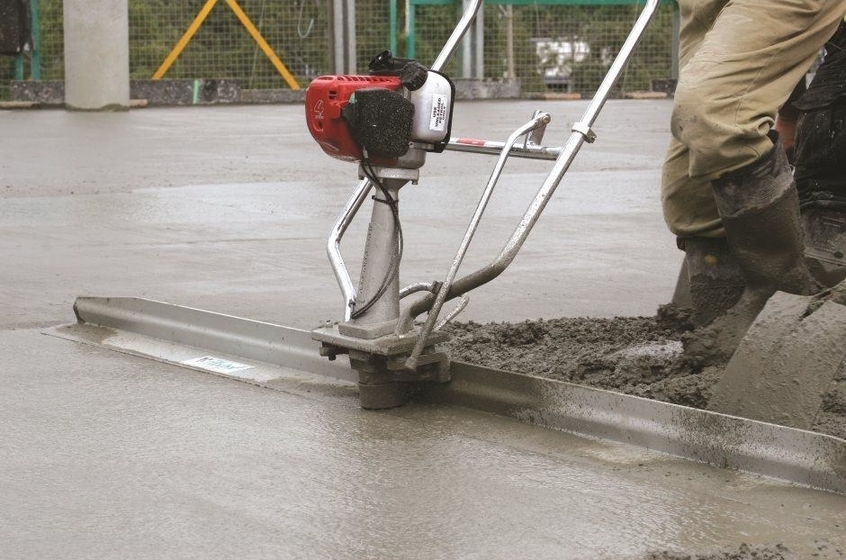
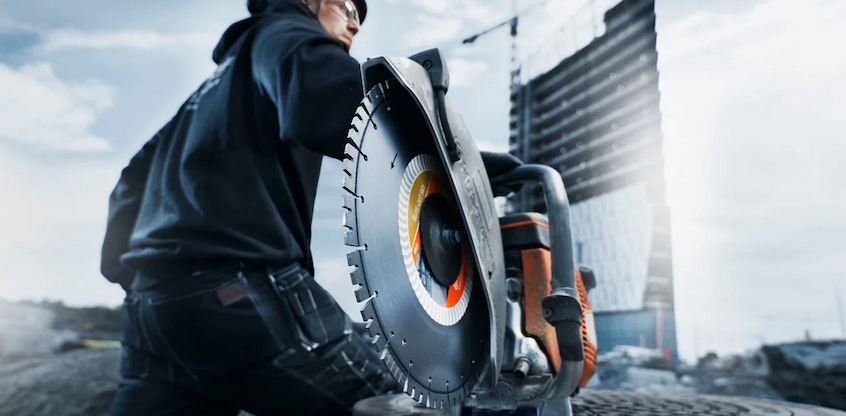
Concrete is the most used building material, behind water. It can be easily shaped into any structure, from roads and pavement, to residential homes or skyscrapers. It's featured in walls, foundations and ceilings, as well as patios, porches and driveways. Different ingredients and additives allow for several types of concrete and a range of applications.

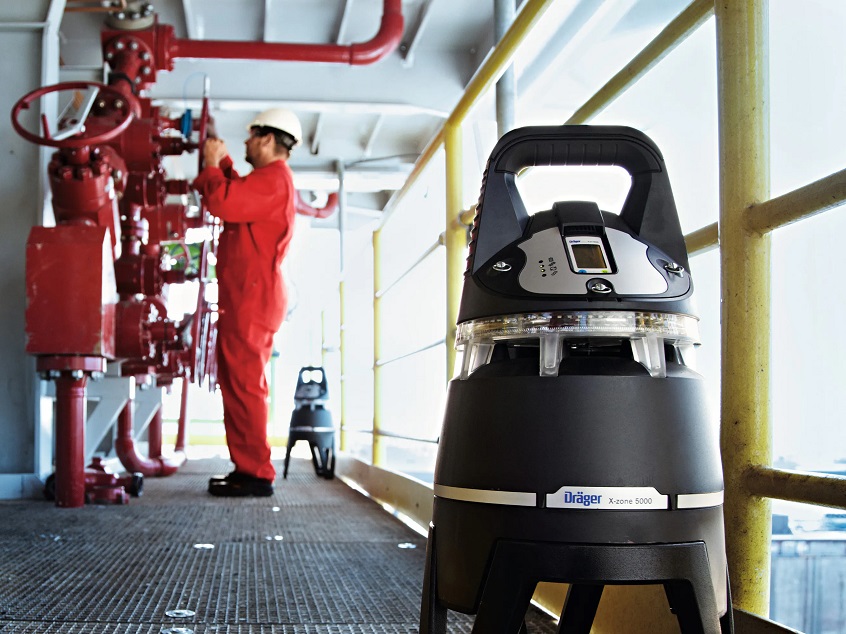
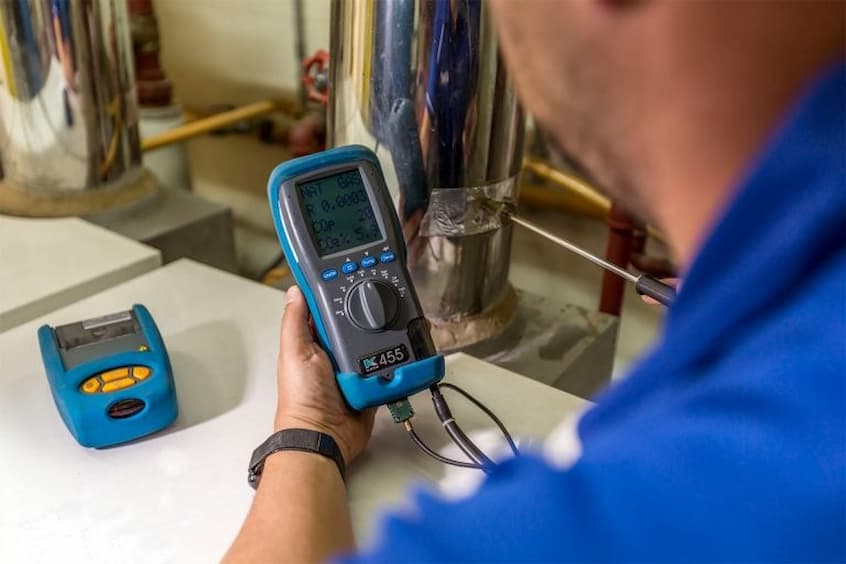
In the complex industrial environment, safety and efficiency come first and last. That’s why you’ll often hear how test equipment is equally important as the actual operating machinery. Even the most expensive industrial machines don’t last forever. Almost all electrical and electronic components will degrade with time due to exposure to heat, shock and other external factors. Not only that worn out or malfunctioning machines won’t perform to their fullest capacity, but they’ll also pose a high risk to workers’ safety. Therefore, it is highly recommended to conduct regular tests on all electrical and electronic components and thorough analysis of highly flammable gas and oil equipment.

In the complex industrial environment, safety and efficiency come first and last. That’s why you’ll often hear how test equipment is equally important as the actual operating machinery. Even the most expensive industrial machines don’t last forever. Almost all electrical and electronic components will degrade with time due to exposure to heat, shock and other external factors. Not only that worn out or malfunctioning machines won’t perform to their fullest capacity, but they’ll also pose a high risk to workers’ safety. Therefore, it is highly recommended to conduct regular tests on all electrical and electronic components and thorough analysis of highly flammable gas and oil equipment.

Ice cream is the most beloved dessert among kids and adults alike, which is one of the reasons why many restaurant owners decide to add it to their menu.
Transporting goods is the base of every industry in this world, be it by sea, air or land, transport provides great economic value. Many markets depend on it, even during these trying times. If it weren't for transport and its benefits, we wouldn't have all the things we have today, not only on our plates, but everything we place in our pockets, attach to our jackets or put on our feet. Transport helps reduce the rigours of certain production factors, and it makes large-scale production possible at more locations in the world.

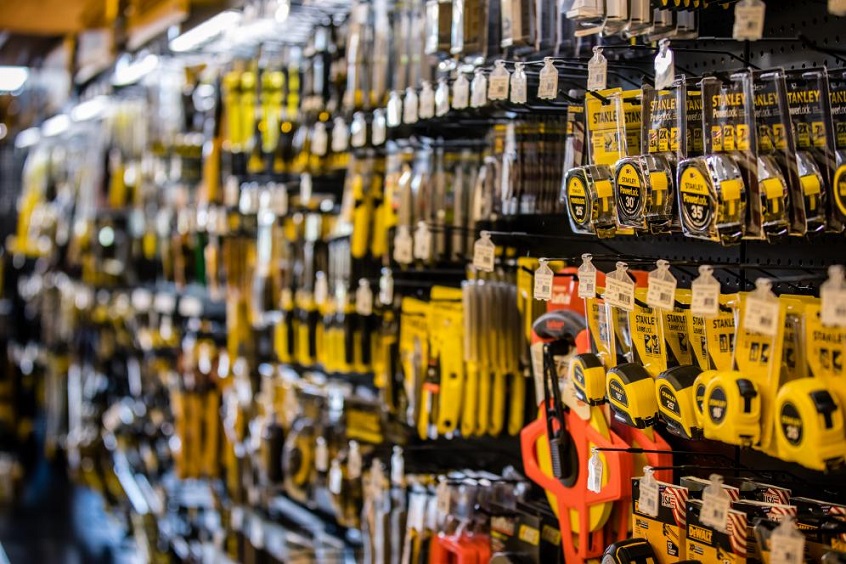
Whenever I go into a supermarket or larger store that has an enormous quantity of many products, I'm instantly amazed and confused about how they hold it all together. And if you're a business owner who does work with a lot of inventory, you know...