

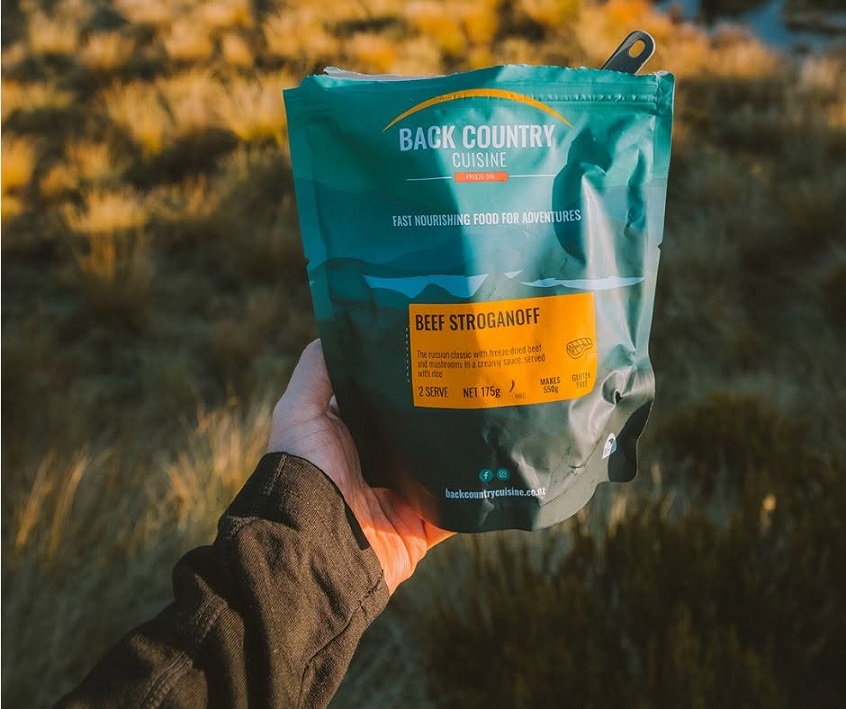
Freeze-Dried vs. Dehydrated Food: Truths Campers Need to Know
If you’re just getting into camping, you’ll quickly realise how much there is to learn. Campers love a good trick or tip that makes the whole experience easier and more fun, and food is a big one. Hauling heavy pots and fresh produce from every food group sounds impossible when you’re hiking with all your gear on your back.
That’s why so many people have started dehydrating their meals. These meals are light, simple and surprisingly tasty. With them, you can spend less time stressing over meeting your nutritional goals and more time enjoying the time spent outdoors.
The Benefits of Dehydrated Food for Camping
Heaps of hikers swear by dehydrated food for camping, and once you try it, it’s easy to see why. All of a sudden, eating well on the trail becomes much less of a challenge. You get meals that are light, quick to make and easy to store, without giving up the nutrition or flavour you’d expect from an at-home meal.
Light and Easy to Carry
Once the water’s taken out of the food, it loses most of its weight. In fresh ingredients, that drop can be anywhere from 70 to 90 per cent of its full weight, so your pack feels a whole lot lighter.
You can even skip home prep and buy pre-packed dehydrated food meals in a flat, sealed pouch, which slides into your bag without taking much space. This way you can pack a bunch without worrying about leaks.
Quick and Easy to Make
Add hot water, wait a few minutes, then eat straight from the bag. No mess left behind, no pots to scrub and no bowls to carry. All you need is a camp stove or a fire to boil water. You can also use cold water, but it may take you about twice as long. If you want to bulk up a meal, toss some dehydrated vegetable blends into the pouch.
Lasts Ages and Stays Safe
Dehydrated backpacking meals are hard to spoil, as bacteria need moisture to grow. That’s handy when you’ve got no fridge. Store-bought meals can last anywhere from two to thirty years, depending on the brand. At home, keep them somewhere cool and dry, like a tub in the garage, and they’ll be just fine for your upcoming outdoor adventures.
Good Nutrition and Big Flavour
Drying keeps the calories, protein, carbs and fibre of fresh food. Vitamins A and C can dip a little, but that also happens when you leave out fresh veggies in the fridge for days.
Taking out the water also concentrates the flavour, so meals don’t taste bland. To jazz things up, you can add dehydrated red bell peppers to stews and soups, or dehydrated mushrooms for a rich, earthy kick.
Better Value, Less Rubbish
Camp meals cost way less than a restaurant feed, and plenty of pouches are two servings, so you can split one with a mate. Because you eat out of the bag, there’s barely any waste and no washing up. Just seal up the empty pouch and carry it out with you.
Dehydrated meals take a lot of the stress out of your first camping trips. They’re light, quick, tasty and convenient.
Is Freeze-dried Food the Same as Dehydrated Food?
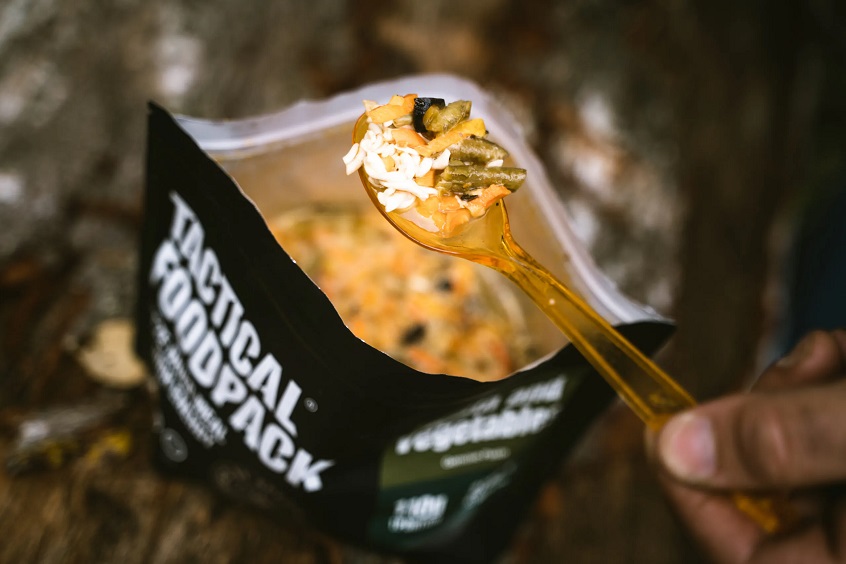
Both freeze dried food and dehydrated food meals have moisture removed, but they’re not quite the same thing. The differences show up in texture, cooking time, shelf life and how you pack them.
Freeze-Dried Foods
The freeze-drying process starts by freezing the food first, then uses a vacuum to pull the water out. This method is great for keeping that original structure well, so meals bounce back close to how they started.
What’s good about it:
- Super light to carry.
- Rehydrates fast with just hot water.
- Texture comes back nicely.
- Lasts for ages when unopened.
What’s not so good:
- Costs more, since it needs special gear.
- The pouches can take up extra room in your pack.
- Meals are usually pre-made, so there’s less room to mix and match.
Dehydrated Foods
Dehydrating uses low heat and airflow to dry food out. It works best for single ingredients you can mix into your own meals, and you can even do it at home with a food dehydrator.
What’s good about it:
- More affordable.
- Packs down small.
- Easy to customise meals from trip to trip.
- Less packaging waste if you use reusable containers.
What’s not so good:
- Takes longer to rehydrate, and some ingredients need a soak first.
- Some foods go a bit soft after drying.
- Doesn’t last as long as freeze-dried.
Both options are solid for the trail, and plenty of campers end up packing a bit of both.
Camping food doesn’t have to be a headache. At the end of the day, whether you go freeze-dried, dehydrated or a bit of both, the goal is the same: lighter packs, easier meals and more time out in nature. Start with a few simple options, see what works best for your taste and budget, and feel free to experiment. Before long, you’ll have your own trail food routine sorted.
