

Making the Most Out of Trailer Chain Connectors
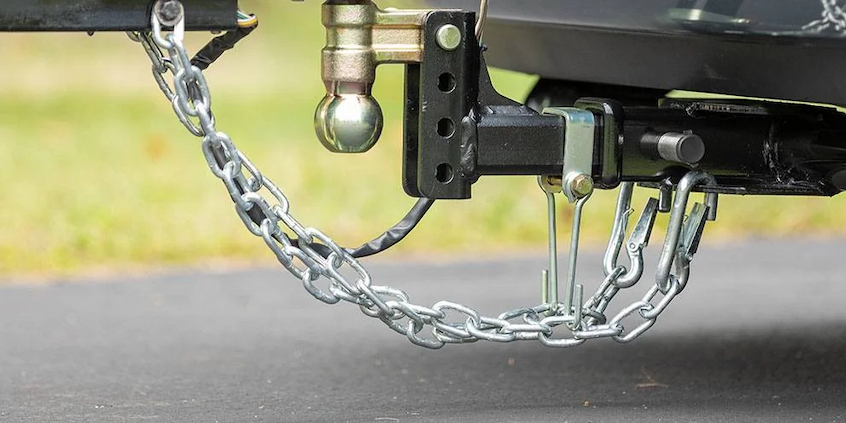
Trailer chain connectors play a key role in keeping a trailer secure behind a vehicle. They link the safety chains to the tow point and act as a backup if the primary coupling fails. A reliable connection helps control the trailer and reduces the risk of damage or injury on the road. Whether you tow for work or weekend trips, choosing the right connector and using it properly makes a real difference to safety and peace of mind.
How to Choose a Trailer Chain Connector
Size
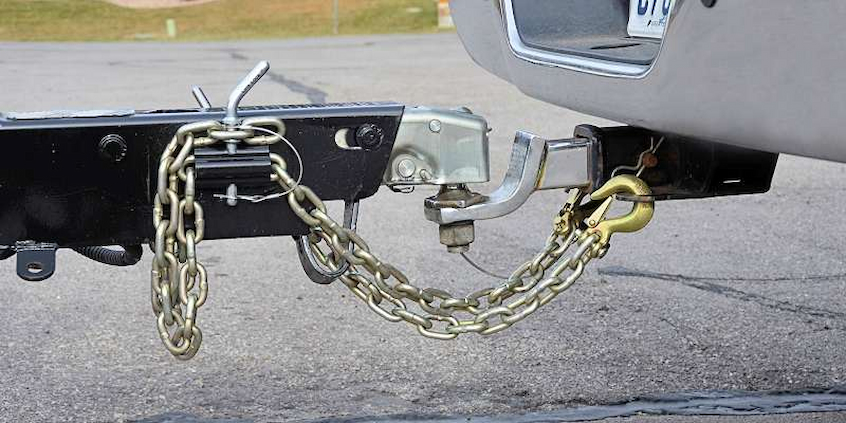
The connector should match the diameter of your chain links and the size of the attachment points on both the vehicle and trailer. If it is too small, it may not seat properly and can bind under load. If it is too large, it can move around and wear faster. Check the internal opening and the pin or bolt size that aligns with your hardware. A correct and heavy-duty trailer chain connector sits and helps spread the load evenly while it reduces stress on each part. Also keep in mind the thickness of mounting tabs and how the connector sits once loaded.
Capacity Rating
Just like a winch’s rating, the capacity rating of a trailer chain connector should meet or exceed the working load of your safety chains and the trailer’s maximum loaded weight. Look for clear markings or documentation from the maker. Do not guess or rely on appearance alone. Using a connector lower rating than your system creates a weak point. It is better to choose a rating with a safe margin, especially if you tow on rough roads or carry uneven loads.
Ways to Attach a Trailer Chain Connector
Bolt-Through
This method uses a bolt that passes through the connector and the mounting point. It is simple and secure when tightened to the correct torque. Use a high-grade bolt with a locking nut or thread locker to prevent loosening. Check it often, as vibration can affect any bolted joint over time. A bolt-through setup is common for trailers that stay connected to the same vehicle for long periods. It provides a fixed and dependable hold that resists shifting under load.
Bolt Tabs
Bolt tabs are fixed plates with holes that accept a bolt or pin through the connector. They keep the connector aligned and reduce side movement. This setup is common on trailers with dedicated mounting points. Ensure the tabs are not bent and holes are not worn, as that can lead to play and noise. Proper alignment also helps prevent uneven stress on the connector. When using trailer safety chain connectors with bolt tabs, make sure the fit is tight enough to limit movement but still allows for natural articulation when turning.
Double Tab Bolting
Double tab bolting uses two tabs with a bolt running between them, holding the connector in the centre. It offers good stability and spreads the load across both tabs. This can reduce wear compared to a single tab. Make sure the spacing matches the connector width so it is held firmly without binding. This method is useful for heavier trailers where extra support is needed. It also helps maintain a consistent position under load.
Link Lock System
A link lock system uses a locking mechanism that captures a chain link directly. It allows quick attachment and removal while still holding securely when closed. Choose a design that cannot open under load, and that is easy to inspect. This option is popular with some tow chain connectors where quick changes are needed between trailers. It can save time without sacrificing safety when used correctly.
Safety Tips
Breakaway Cable
Always use a breakaway cable in addition to your safety chains. The cable activates the trailer brakes if the trailer separates from the vehicle. Route it so it is not tangled with the chains or connectors and keep it shorter than the chains so it engages first. Check that the clip and attachment point are in good condition. A properly fitted breakaway cable adds an extra layer of protection and should be tested as part of routine checks before towing.
Dragging
Tow chain connectors should not drag on the ground. Dragging can wear down metal, create sparks and weaken the system. Adjust chain length so there is enough slack for turning but not so much that it hangs low. Cross the chains under the drawbar to create a cradle, which also helps catch the drawbar if it drops. This simple adjustment can prevent damage and improve overall towing safety, especially on uneven terrain.
Stretching
Chains and connectors can stretch slightly under heavy loads or repeated use. Inspect for elongated links, bent pins or gaps that have widened. Replace any part that shows signs of stretching, as it no longer holds its original strength. This applies to trailer safety chain connectors as well as the chains themselves. Regular inspection helps you catch problems early before they become serious issues on the road.
Twisting
Avoid twists in the chains or at the connector. Twisting creates uneven load and can lead to early wear or failure. Lay the chains flat before connecting and ensure the connector is pulled. If you notice twisting after a trip, adjust the setup before the next tow. Keeping everything straight and aligned improves performance and reduces unnecessary strain on each component, helping extend the life of your setup.
