

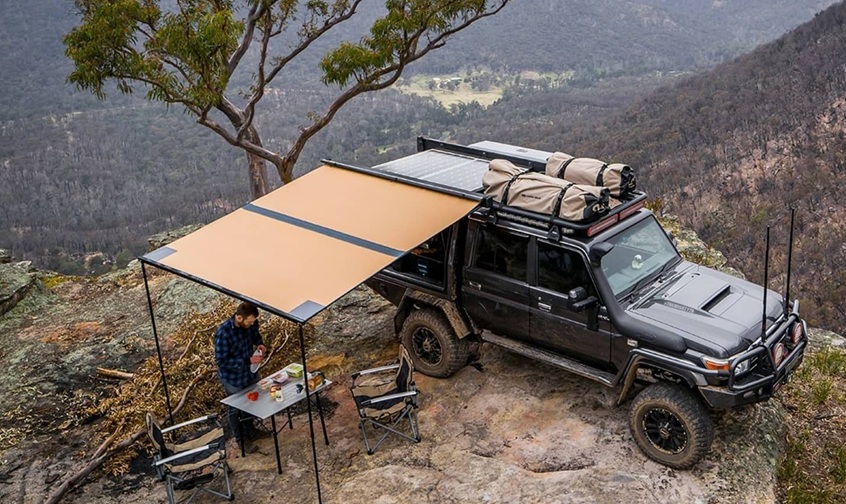
Smart Shade: Picking the Perfect 4×4 Awning
Camping and off-road adventures in Australia often mean dealing with unpredictable weather. From scorching sun to sudden downpours, having a reliable shelter can transform a trip from stressful to enjoyable.
A 4×4 awning extends living space beyond the vehicle, creating a shaded, protected area that makes cooking, resting, or socialising far more comfortable. It is a practical gear that supports safer, smarter travel, especially when long days on corrugated tracks demand quick and dependable cover.
Built for the Elements

Awnings are designed to shield travellers from the harsh Australian climate. They provide shade during summer, reduce exposure to UV rays, and offer cover when rain sets in. Many options feature waterproof, UV-resistant fabrics paired with sturdy frames to balance durability and portability. Setup is typically straightforward with guided deployment, and pack-down is compact to save space. So, if you’re looking for a 4×4 awning for sale, the value lies in reliable protection that’s quick to deploy and easy to stow after a long day’s drive.
Styles and Choosing the Right Fit
Selecting the right type of 4×4 awning depends on how you travel. Side pull-out awnings are compact and quick to deploy, ideal for short stops or day trips. Wing-style designs in 180° or 270° configurations wrap around the vehicle to create larger shaded areas, suiting extended stays and group setups.
Privacy and shower awnings add utility for multi-day trips. When deciding, match coverage to your vehicle length and typical camp footprint, balance weight against your roof rack capacity, and consider wind exposure; larger spans need more anchoring. Quick-access bags and integrated support arms reduce fuss, while models with tie-down points handle gusts better on open plains.
Tough Gear
Durability starts with the fabric. Ripstop canvas and polyester–cotton blends resist tearing and UV degradation, while waterproof coatings help rain bead rather than seep. Frames and brackets commonly use aluminium for strength without excessive weight, and reinforced stitching at stress points prevents seam failure.
Hardware choices are also important. Corrosion-resistant fasteners withstand salt spray on coastal trips, and robust hinges limit flex in windy conditions. Proper care extends their lifespan: dry the awning before storage, brush off dust, and periodically check guy lines and pegs for wear.
More than Shade
Awnings expand into versatile living spaces with add-ons that stay within the same category. Side walls and annex panels create enclosed areas for privacy or sleeping, and mesh inserts keep insects out while allowing airflow in humid regions.
Adjustable poles and guy lines stabilise the setup on uneven ground, while integrated lighting enhances visibility without extra cabling. Floor mats, draught skirts, and gutter kits add comfort and help manage water run-off during heavy rain. The aim is a modular system that adapts to trip length, crew size, and weather, with each piece serving a clear function rather than duplicating features.
Alternatives
There are other shelter solutions worth considering alongside awnings, all within the same category of gear. Freestanding tarps are lightweight and flexible but require more poles and guying for stability. Rooftop tents with built-in shade streamline sleeping arrangements yet add height and weight, which may affect handling and rack loads.
Modular camping shelters offer spacious coverage but take longer to set up and pack away. Awnings remain the efficient choice for roadside meals, quick breathers after beach drives, and midday shade on exposed tracks, thanks to direct vehicle mounting and minimal setup steps.
Buyer’s Checklist
When shopping for a 4×4 awning for sale, make the selection easier with a clear set of criteria:
- Coverage and footprint: Match width and projection to your vehicle and typical camp layout.
- Set up speed: Look for guided deployment, integrated arms, and minimal loose parts.
- Wind stability: Prioritise sturdy poles, reliable guy points, and high-quality pegs.
- Weight and storage: Ensure your rack and mounts can handle the load, and the packed size fits your storage plan.
- Weather protection: UV resistance and waterproof ratings matter for Australian conditions.
- Compatibility: Confirm mounting options with your rack type and side clearance for doors or tailgates.
- Maintenance: Choose fabrics and hardware that clean easily and dry quickly to avoid mould.
Small Habits, Big Gains

A well-chosen awning performs best with good practice.
- Face the leading edge away from prevailing winds.
- Use all tie-downs, even on mild days.
- Tension fabric evenly to prevent pooling.
- In hot weather, angle for airflow rather than total enclosure.
- In rain, add a slight slope toward a gutter point.
- Keep a spare peg set for sandy camps, and a short strap kit for rocky sites where stakes won’t bite.
- After packing down, check zips, seams, and poles. Small fixes early prevent bigger failures later.
Over time, these habits protect your investment and keep camp setups smooth and predictable.
Shade That Travels With You
4×4 awnings turn vehicles into adaptable bases that manage Australia’s sun, wind, and rain with minimal fuss. By pairing durable materials with practical designs, they offer dependable shelter and more usable space wherever you pull up. Choose a configuration that matches your vehicle and travel style, prioritise stability and weather protection, and build a modular setup that grows with your needs. The result is a cleaner camp routine, safer downtime, and a more comfortable journey, because smart shade lets you spend less time wrestling gear and more time enjoying the outdoors.
