

Your Guide to Unlocking the Power of the General Motors LS Engine
General Motors is one of the world’s largest automotive manufacturers, known for designing and producing vehicles that span everyday passenger cars, trucks, and high‑performance engines. With a history stretching back over a century, the company has built a reputation for innovation in engineering, safety, and efficiency.
Beyond vehicles, GM develops advanced powertrains, including the LS engine family, which has become a benchmark in performance circles. Their operations extend into electric mobility, connected technologies, and global service networks, ensuring that customers have access to both cutting‑edge products and reliable support.
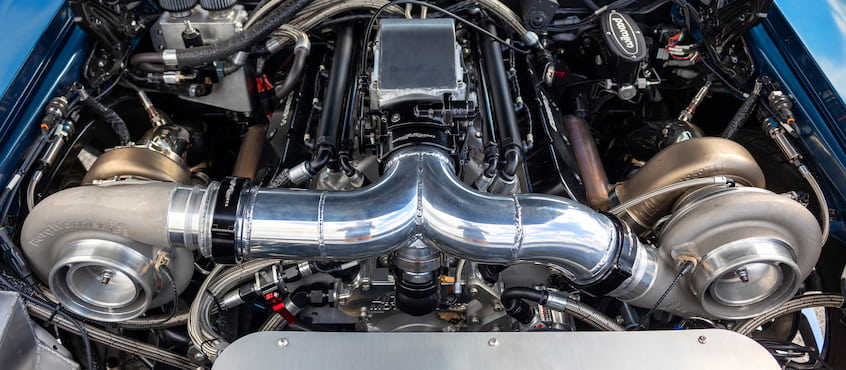
Few modern engines have achieved the legendary status of the LS series. Since the late 1990s, these V8s have become a cornerstone of performance builds, swaps, and racing projects. Their reputation rests on a blend of affordability, adaptability, and sheer reliability, making them a favourite among enthusiasts and professionals alike.
The Evolution of Performance – From LS1 to LS3
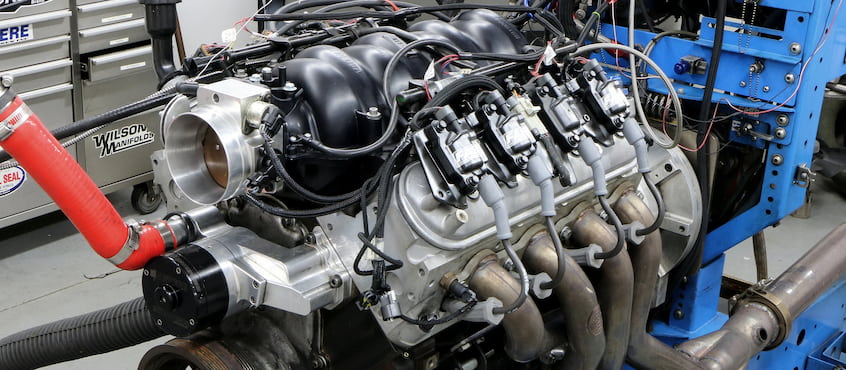
The General Motors LS engine first appeared in 1997, debuting with the LS1. It marked a turning point in small‑block design, combining lightweight aluminium construction with impressive power output.
Over time, the family expanded to include variants ranging from 4.8 litres to 7.0 litres, each engineered for different performance goals. Compact dimensions and efficient cylinder head flow allowed these engines to outperform many larger competitors, cementing their place in automotive history.
Understanding the differences between generations helps ensure you purchase quality General Motors LS engine parts and ensures smoother installation.
Reliability and Everyday Applications
Durability is one of the LS platform’s strongest assets. With a pushrod design and straightforward architecture, these engines deliver longevity without sacrificing performance. Aluminium blocks reduce weight, while cast‑iron options provide added strength for heavy‑duty use.
Fuel injection systems and modern engine management ensure consistent efficiency, making LS engines suitable for daily driving as well as motorsport. Their ability to handle high mileage without major issues has made them a trusted choice for conversions and rebuilds.
Choosing the Right Fit and Supporting Parts
Selecting the right LS variant depends on intended use. Smaller displacements suit budget builds and everyday reliability, while larger versions cater to high‑performance racing. Buyers should consider factors such as block material, compression ratio, and aftermarket support.
An LS engine rarely works alone. Supporting parts such as ignition coils, throttle bodies, sensors, and fuel rails play a crucial role in maximising efficiency. Upgrading these components ensures smoother operation and unlocks additional horsepower.
Cylinder heads with improved airflow, stronger camshafts, and performance exhaust systems can transform a stock LS into a track‑ready powerhouse. For enthusiasts, the modular nature of the LS platform means parts can be swapped or upgraded with relative ease, allowing tailored builds without high cost.
What Sets LS Apart
Other modern V8s offer strong performance, yet few match the LS in terms of affordability and aftermarket support. Aluminium construction makes LS engines lighter than many rivals, while their compact size allows them to fit into a wide range of vehicles.
The sheer availability of parts and knowledge within the community further distinguishes the LS, making it a practical choice for both beginners and seasoned builders. Unlike some competitors, LS engines balance simplicity with modern technology, offering electronic fuel injection alongside a traditional pushrod layout.
Practical Tips Before You Buy
Before committing to an LS engine, consider installation logistics. Proper mounts, wiring harnesses, and cooling systems are essential for a successful swap. Maintenance is straightforward but requires attention to oil quality, cooling efficiency, and regular inspections of gaskets and seals.
Planning for upgrades, such as improved exhaust systems or stronger transmissions, ensures the engine delivers its full potential without unexpected setbacks. Buyers should also factor in long‑term availability of replacement parts, which remains one of the LS platform’s greatest strengths.
From Street to Track
One of the reasons LS engines have become iconic is their versatility. They are equally at home in a street‑driven sedan, a weekend drag car, or a dedicated track machine. Their compact size makes them ideal for engine swaps into vehicles originally designed for smaller powerplants, opening up creative possibilities for builders.
In motorsport, LS engines are prized for their ability to produce reliable power under demanding conditions, while in daily use they offer a balance of efficiency and strength that few rivals can match. This adaptability has helped the LS platform remain relevant for decades, with enthusiasts continuing to push boundaries in both grassroots and professional racing.
Cultural Impact and Enthusiast Community
Beyond technical specifications, LS engines have shaped car culture worldwide. Online forums, racing clubs, and DIY communities share knowledge, making it easier for newcomers to attempt ambitious builds. The affordability of parts has democratised performance, allowing hobbyists to achieve results once reserved for high‑budget projects.
This collective enthusiasm has created a support network that ensures the LS legacy continues to thrive, with innovations constantly emerging from both professionals and everyday enthusiasts.
The LS Legacy
The LS engine family continues to stand as a benchmark in performance and reliability. Its combination of lightweight design, robust construction, and unmatched aftermarket support has made it one of the most influential V8 platforms in automotive history. Whether chosen for a daily driver or a racing project, the LS remains a versatile powerhouse that has earned its legendary status.
