


A Practical Guide to Choosing Electrical Cables for Your Needs
Cables are an essential part of modern life, carrying power and signals that keep homes, businesses, and industries running smoothly. They come in a variety of types and specifications, designed to suit different applications from domestic wiring to complex industrial setups. Understanding the basics helps ensure safety, efficiency, and reliability in every electrical project.
What Are Electrical Cables?
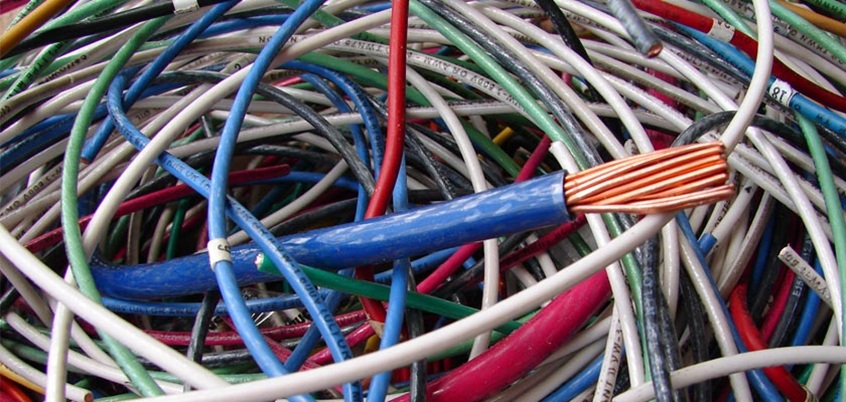
The quality electrical cables consist of one or more conductors, usually copper or aluminium, insulated and protected by various materials to carry electric current safely and efficiently. They are vital for connecting electrical devices, power systems, and data networks.
The electrical power cables are engineered to withstand different environmental conditions and voltage requirements for specific uses. They provide the backbone for distributing electricity and data signals. Their design and composition determine how well they perform in terms of conductivity, durability, and resistance to heat or moisture.
Types and Applications
Different tasks require different cable types. Common varieties include power cables, which transport electricity for residential and commercial use; coaxial cables often used in telecommunications and networks; and specialised cables made for automotive or industrial machinery. Within these categories, cables vary in size, insulation thickness, and flexibility depending on their application.
For homeowners, cables supplying power to lighting, outlets, and appliances must meet safety standards and be suited to the electrical load. Industrial environments demand cables that can resist chemicals, extreme temperatures, and physical wear. This range of options explains why getting electrical cables tailored to specific requirements is crucial for optimum performance and safety.
How to Choose the Right Cable and Best Practices
Choosing the right electrical cable depends on various factors, such as current-carrying capacity, voltage rating, environmental exposure, and installation conditions. Gauge size, insulation type, and fire resistance ratings are among the critical features to evaluate. For instance, cables with PVC insulation suit dry indoor environments, while those with rubber or cross-linked polyethylene (XLPE) are better for wet or outdoor conditions.
Considering electrical power cable length and connector compatibility is also essential to avoid power loss or safety hazards. Installing cables according to regulations ensures compliance with electrical codes and prevents risks like overheating or electrical fires.
Safe installation includes avoiding sharp bends, securing cables properly, and protecting them from physical damage. When deciding on cabling solutions, keep in mind the specific need for durability, flexibility, and resistance to elements such as UV exposure or chemicals.
Materials and Construction Impact
Materials used in electrical cables significantly influence their performance. Copper remains the conductor of choice for most cables due to its excellent electrical conductivity and flexibility. Aluminium is a lighter alternative, mainly for high-voltage transmission lines where weight reduction is critical.
Insulation and sheathing materials such as PVC, polyethylene, rubber, or thermoplastic contribute to resistance against temperature variations, moisture, abrasion, and chemical exposure. Some cables also feature armoured layers for additional physical protection in rugged environments. Understanding these material characteristics helps in selecting cables that balance cost, longevity, and safety.
Safety Measures and Installation Tips
Proper handling and installation of electrical cables are crucial for preventing accidents and ensuring long-term functionality. Avoid running cables near sharp edges or heat sources and never overload circuits beyond the cable’s rated capacity. Use appropriate connectors and avoid DIY joins that can result in poor contacts or short circuits.
Always plan cable routes that minimise exposure to potential damage, and consider factors like grounding and surge protection in the overall electrical system design. Regular inspections and maintenance assist in identifying wear or faults early, reducing risks of electrical failures.
Exploring Options for Every Need with Choosing Tips
Electrical power cable needs vary widely across residential, commercial, and industrial settings. Homeowners might focus on cables for lighting, appliances, and security systems, while businesses require robust power and data cables suitable for complex equipment. Industrial applications often demand cables that meet stringent safety and durability standards due to harsh conditions.
When selecting cables, consider not just the immediate electrical requirements but also future expandability and potential environmental challenges. Combining knowledge of cable types, materials, and installation practices empowers informed buying decisions. Options range from basic single-core cables to multi-core shielded cables with enhanced protection for sensitive electronics.
Additionally, many alternative cable types cater to specific secondary needs within the same product category, including shielded cables for noise reduction and flexible cables for equipment mobility. Being aware of these variants allows finding the most suitable solution without necessarily opting for premium or over-engineered products.
Making the Right Choice for Your Electrical Needs
Choosing the correct electrical cables is fundamental for safety, efficiency, and durability across numerous applications. Careful consideration of type, material, and installation conditions helps prevent hazards and prolongs system lifespan. Whether for home wiring or industrial power distribution, investing in the right cables improves performance and protects infrastructure.
By understanding all aspects from materials to best practices, the shopping altogether becomes a straightforward process that supports reliable and safe electrical setups for years to come.
