

Ceylon Black Tea Guide: A Little Brew Goes a Long Way
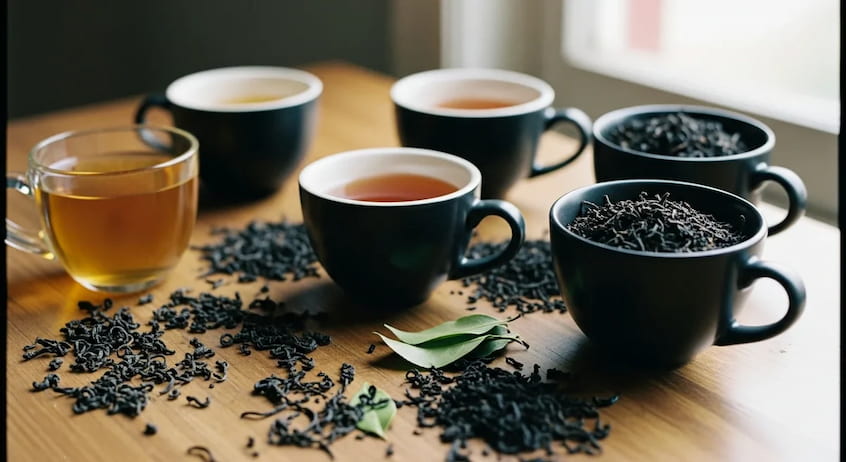
Bright, bold and unmistakably characterful, black Ceylon tea has earned its place among the world’s most recognisable teas. But what gives it that distinctive edge? Grown across the diverse tea regions of Sri Lanka, it reflects the influence of altitude, climate and local growing conditions. Depending on where it comes from, a cup can be brisk and citrusy, rich and malty, or delicate with floral notes. This variety is part of its appeal. Ceylon isn’t defined by one flavour alone; it offers a spectrum of tastes, aromas and strengths, making every brew an opportunity to discover something different.
Exploring Different Ceylon Teas
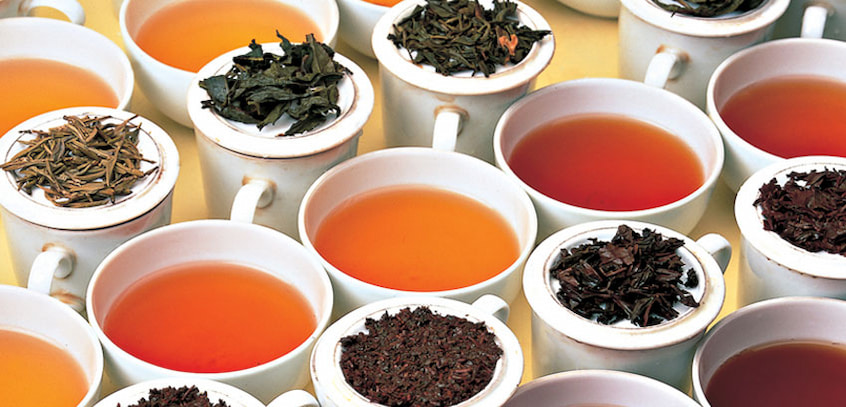
Elevate your daily tea ritual with a cup of 100% natural and refreshing Ceylon tea. Ceylon black tea is far from a one-note drink. The range includes teas from different growing regions, leaf grades and blends, giving each variety its own character. Whether you prefer something brisk and lively or rich and full-bodied, exploring the different varieties can help you find a cup that matches your taste.
Estate-Grown Ceylon Tea
Single-estate teas offer a closer look at how growing conditions influence flavour. Teas from high-altitude regions can have a lighter, brighter character, while those grown at lower elevations may produce a deeper, fuller cup. Different leaf grades also affect the strength, aroma and appearance of the finished tea. The selection includes both whole-leaf and broken-leaf styles, allowing tea drinkers to explore these differences.
Breakfast Blends
Ceylon tea is also widely used in traditional breakfast blends. These blends are generally designed to produce a robust cup with a rich colour and enough body to pair well with milk. Some combine Sri Lankan tea with malty teas from India, creating a stronger, more rounded flavour. Other breakfast styles are even more full-bodied, making them a popular choice for those who like a substantial morning brew.
Lighter Afternoon Blends
Not every Ceylon blend is bold and intense. Lighter varieties can combine Sri Lankan tea with larger-leaf teas from China to create a more delicate drinking experience. These blends work particularly well alongside light foods such as sandwiches, biscuits or sweets, making them suited to relaxed afternoon tea.
Flavoured Ceylon Tea
Ceylon black tea also provides an excellent base for flavoured blends. A classic example combines Sri Lankan black tea with bergamot, producing the distinctive citrus-like character associated with this style. Other variations can introduce floral or fruity notes, adding another dimension to the naturally brisk character of Ceylon tea.
Loose Leaf or Tea Bags?
When choosing Ceylon, the format can be just as important as the flavour. Loose-leaf Ceylon tea gives the leaves more room to expand during brewing, allowing their aroma and character to develop fully. It also gives you greater control over the amount of tea used and the strength of each cup. For tea drinkers who enjoy experimenting with brewing times and quantities, loose leaf offers plenty of flexibility.
Tea bags, on the other hand, are all about convenience. They are quick to use, easy to portion and require minimal clean-up, making them ideal for busy mornings or when you want a straightforward cup without measuring leaves.
Neither option is automatically better. Choose loose leaf if you enjoy a more hands-on brewing experience and greater control. Pick tea bags when speed, simplicity and consistency are your priorities. The best choice ultimately comes down to how you like to prepare and enjoy your tea.
Tea Grade
Tea grade can tell you a great deal about the leaf, its appearance and how it may perform in the cup. With Ceylon, grades are often influenced by the size and condition of the leaves after processing.
Whole-leaf varieties generally contain larger, more intact leaves and are often appreciated for their layered aroma and refined character. Broken-leaf grades, on the other hand, consist of smaller pieces that tend to release flavour and colour more quickly, making them a popular choice for a stronger, brisker brew.
Fine leaf particles and smaller grades can brew even faster, producing a bold cup with plenty of colour and intensity. These styles are often found in tea bags and blends where quick extraction is desirable.
However, grade does not automatically determine quality. The growing region, processing methods, freshness and your personal taste all influence the final cup. Consider grade as one useful factor rather than the sole measure of a tea’s character.
Quality and Freshness
Even the finest Ceylon black tea can lose some of its character when it is stored poorly or kept for too long. Freshness matters because tea leaves gradually lose their aroma and flavour when exposed to air, moisture, heat and strong light. When choosing tea, look for leaves with a pleasant, distinctive aroma and packaging designed to protect them from these elements.
Quality is influenced by more than appearance alone. The tea’s growing region, leaf grade, processing method and storage conditions can all affect the final cup. Whole leaves that retain their structure may offer a more nuanced brewing experience, while smaller leaves can deliver flavour and colour more quickly.
Once opened, store Ceylon in an airtight container away from direct sunlight, heat and strong-smelling foods. Keeping moisture out is particularly important.
