

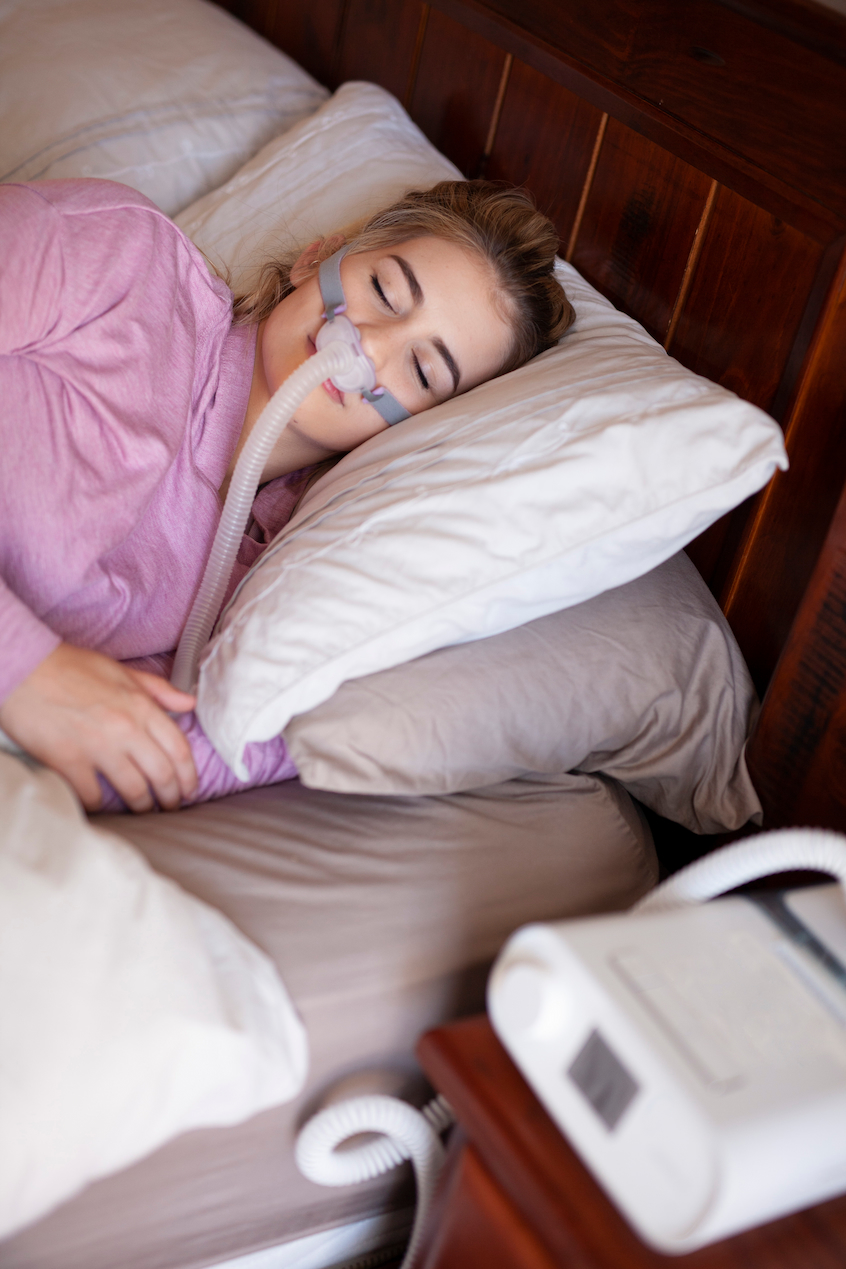
Sleep Without Struggle: How CPAP Machines Can Transform Your Nightly Routine
The average adult needs around eight hours of uninterrupted sleep each night to feel their best. Sadly, for many people, getting a good night’s sleep isn’t easy. Daily stress, busy schedules, uncomfortable bedding, and family commitments can keep you tossing and turning well into the night. While these sleep disturbances can often be managed with a few small changes to your daily routine, medication, or even a short nap, some sleep conditions are more difficult to manage without additional support.
Sleep apnea is a common sleep disorder that affects about 1 in 10 adults. Unlike occasional sleep disturbances, it can be difficult to manage effectively without a specific treatment, such as a CPAP machine.
These machines have become an important tool for people with this condition, helping them breathe more easily and enjoy a better night’s rest. However, despite their benefits, they are still surrounded by misconceptions that can make some people hesitant to use them. Understanding how they work, what to expect and how even cheap CPAP machines can provide effective treatment makes it easier to take the first step.
What Is a CPAP Machine and How Does It Work?
Have you ever been told that your snoring is disruptive and unnaturally loud? Or have you ever found yourself waking up in the middle of the night gasping for breath? If the answer to either of these questions is yes, then chances are you may have obstructive sleep apnea.
Obstructive sleep apnea (OSA) is a fairly common sleep disorder where the muscles in your throat relax a bit too much when you’re asleep. This can cause your airways to narrow or become blocked, preventing air from flowing in and out properly. The struggle to get enough air also causes loud snoring, as your body is trying to get enough oxygen into your lungs.
Even though this condition may sound scary, it’s nothing to be overly concerned about, as it can be managed with the right CPAP machine and professional medical guidance.
A CPAP machine is a device that delivers pressurised air to your lungs through your nose, mouth, or sometimes both. The steady air pressure helps keep the walls of your throat and airways open, allowing air to pass through without obstruction.
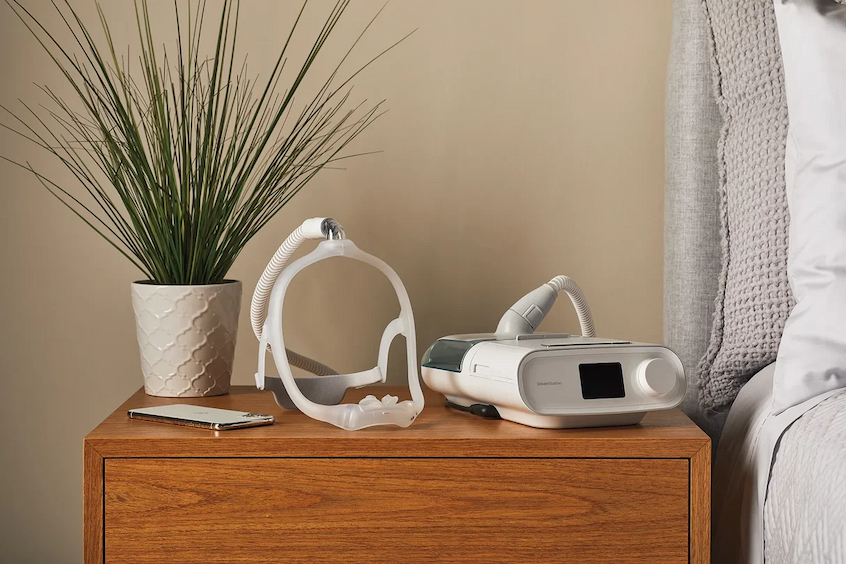
CPAP machines consist of three main components: a motor, tubing, and a mask that can be adjusted or replaced based on your preferences. As all these components can be switched out and bought separately, CPAP machines are considered highly customisable devices suitable for many people. Adults and older individuals commonly use them, while children may also use CPAP therapy when prescribed by a healthcare professional.
People with sleep apnea often don’t get enough rest because they repeatedly wake up when their breathing is interrupted, and their blood oxygen levels drop. A CPAP machine helps prevent this from happening by keeping the airways open, ensuring you can breathe more easily throughout the night.
How to Get Used to Your New CPAP Routine
Many people think that the best way to treat sleep apnea is to get the most expensive device they can find. However, that’s not always the case. There are many cheap CPAP machines available that provide effective therapy without you having to burn through your budget. The best way to start your CPAP journey is to get a CPAP machine on sale, so you can try it out and see how it suits your sleep habits and schedule. Obviously, never buy any medical device without first consulting a healthcare provider, but in many cases, it’s best to start with a more affordable option, as getting used to sleeping with a CPAP mask is no easy task.
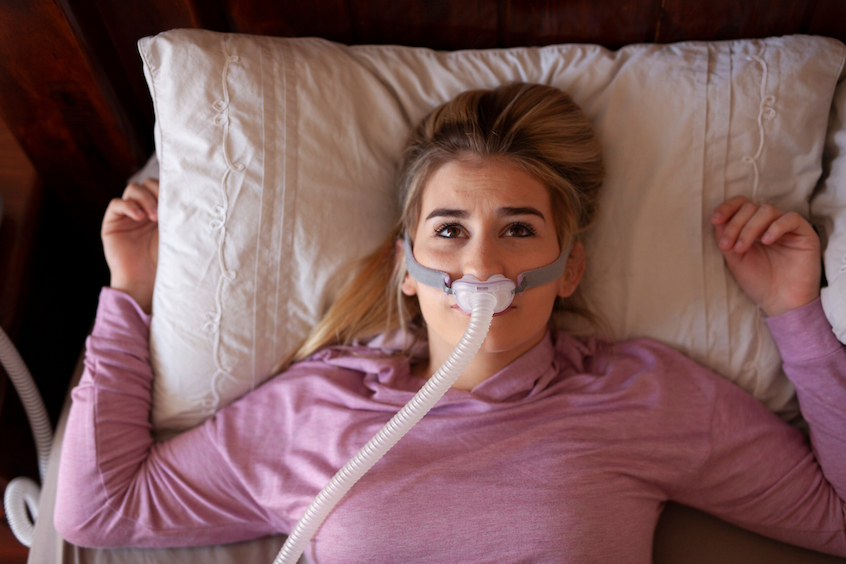
The first 30 days are the tricky ones. Many people report being bothered by the hum of the machine, while others don’t enjoy the feeling of the mask against their face. Some even have trouble keeping the mask on throughout the night.
The trick to getting used to your CPAP machine is to start with short intervals. Every new thing you try presents a new challenge, and the same goes for a CPAP machine. Before you try sleeping with it for an entire night, try wearing it throughout the day for shorter periods. Start with just a few minutes and gradually extend the time as you become more comfortable. You can also try taking a nap first to get used to the feeling of the mask and the hum of the machine.
Although modern CPAP motors are extremely quiet, they still produce a soft hum as they draw in and filter the air. If the noise bothers you at first, you can try placing the machine as far away from your bed as possible. You could also get a longer tube to give yourself more flexibility when positioning the machine, as long as it is compatible with your device and recommended by the manufacturer.
Depending on what kind of sleeper you are, the mask you find most comfortable will differ. For people who like to sleep on their backs, almost any mask style may work, as they are less likely to interfere with their sleeping position. However, people who prefer to sleep on their sides or move around during the night may benefit from smaller, less bulky masks that offer greater comfort.
A CPAP machine may take a few tries to get right, but once you adjust it to suit your preferences, you may find that your sleep becomes more restful and your overall experience improves.
How Does This Machine Fit Into Your Nightly Routine
You don’t have to look at CPAP machines as a form of therapy or medication. You can simply consider them another step in your night-time routine, which, technically, they are.
Just as some people go to bed wearing red light therapy masks, you’ll go to bed with a CPAP machine. But before you hop into bed and drift off to sleep, there are a few things you should do to ensure maximum comfort throughout the night.
Step 1: Get Yourself and Your Bedroom Ready
Start your night-time routine as always. Wash your face, change into a fresh set of pyjamas and prepare your bedroom. Because you’ll be sleeping with a mask over your face, getting up during the night can feel bothersome, so make sure your bed is comfortable and warm before you get in. If you’ve done your skincare routine, make sure your face is dry before lying down and putting on the mask. Dry skin can help the mask form a better seal and reduce the chance of air leaks.
Step 2: Set Up Your CPAP Machine
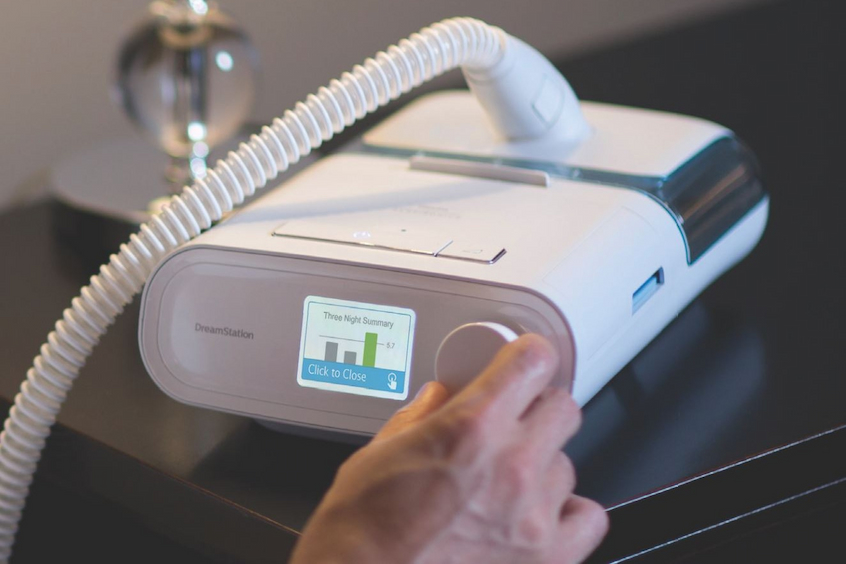
Set up your CPAP machine. Place it on your bedside table or on a designated chair for your device. Check that the tubing is properly connected to the machine and the mask to ensure the pressurised air flows correctly throughout the night. If your device has a humidifier, fill the chamber with water and follow the manufacturer’s instructions.
Step 3: Put On Your Mask and Check the Fit
Get into bed and put the mask over your face. Depending on the type of mask you’re using, it should cover your nose, mouth or both. Fasten the CPAP mask around your head and move your head around to ensure it feels secure. Once the mask is in place, turn on the machine and check that the airflow feels comfortable. If the pressure feels uncomfortable, follow your device’s instructions or consult your healthcare provider rather than adjusting prescribed settings yourself.
Step 4: Relax, Unwind and Settle In for Sleep
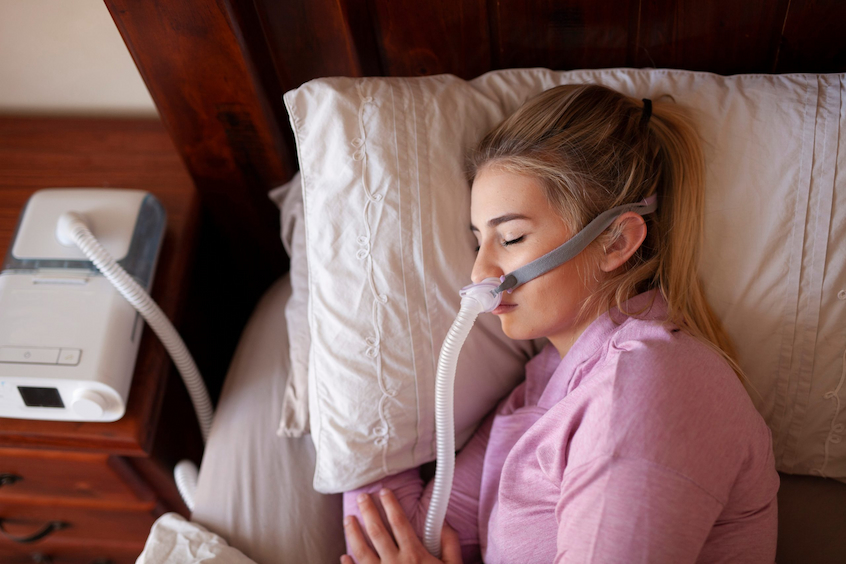
Just because you have your machine on doesn’t mean you have to go straight to sleep. You can read a book, scroll through social media or even do some simple breathing exercises. Use your machine throughout the night, or for the duration recommended by your healthcare provider. Consistency can help you get used to your CPAP machine faster, so try to use it every night as prescribed.
